Wine Culture and Information since 2002 - Volume 22
Wine Culture and Information since 2002 - Volume 22 |
 |
× |
 DiWineTaste on Instagram
  DiWineTaste Mobile for Android
DiWineTaste Mobile for iOS
Become a Registered User
Subscribe to the Mailing List
Tell a Friend About DiWineTaste
Download DiWineTaste Card
DiWineTaste Mobile for Android
DiWineTaste Mobile for iOS
Become a Registered User
Subscribe to the Mailing List
Tell a Friend About DiWineTaste
Download DiWineTaste Card
|
Issue 48, January 2007 |
Contents |
|
|
Wood Chips Are Coming! |
|
In the editorial published in the issue 44, September 2005, we discussed about the probable promulgation of a new decree from the European Union about the possibility of using wood chips in the production of wines. The news arose a lot of rumors in Italy and in other countries of the Union, as to believe, with this new Community decree, the imminent invasion of wines having the “highly wanted” wood aroma. A fear which rightly alarmed the lovers of the beverage of Bacchus. In a pretty crowded scene of so many wines “all the same, all alike”, the chance to further homologating the organoleptic qualities of wines, and with a pretty arguable method, could not be a reason of happiness for everyone respecting wine, its culture and tradition. In other words, this fear was pretty justified. The decree initially provided for the use of wood chips also in the so called “quality wines”, that is the ones belonging to denominations which should - as a matter of fact - ensure not only the origin of wines, but also their quality. In other words, it was an extraordinary paradox! Everyone has the right of choosing his or her own wine, there is no doubt about this, however there is no doubt as well everyone has the right of not choosing what he or she does not like. What was rightly asked the most, it was not the banning of such a decree by the European Union, what was asked the most was a better honesty and clearness for consumers, as well as a better safeguarding for quality products. Whether there are consumers who consciously decide to buy a wine made with wood chips because this is what they want, there is nothing wrong about this: de gustibus non disputandum est (there is no dispute about tastes). Whether there are consumers and producers who prefers wines made with wood chips, this is their problem, however this cannot be or become the problem of the ones who do not want this kind of wines. It is a matter of clearness and fairness as well as of honesty. Supporters of this decree, asserted it was necessary for the marketing competition of European wines against the wines produced in the New World, where this practice is permitted and allows the production of wines with undeniable lower costs. In October 11th, 2006 - as it was expected - the European Commission has promulgated the new decree and therefore also in Europe the use of wood chips in the production of wines is permitted. Indeed, in its form, the new decree has made happy both the producers who want to make use of this technique while, at the same time, safeguarding the right of choice and information in consumers. Regulation N. 1507/2006 of October 11th, 2006, in fact provides for the use of oak chips in the production of wines, obligating producers who want to use this technique to write it in the labels. This certainly is a good news. Doing so, it is ensured the right of choice of consumers, although relying on the honesty of producers and the hope there are rules and procedures in order to avoid frauds. It is on the honesty of the producer one must trust - as usual, after all - because this decree obliges him or her to write, in a special record and documents, the possible use of wood chips in the production. At the beginning, the orientation of Italy was to permit the use of wood chips for the production of table wines only, whereas it was not provided for the use in wines belonging to superior categories (IGT, DOC and DOCG). In November 2nd, 2006 has been approved by the Italian Minister of Agricultural Politics Mr. Paolo De Castro the reception of the new European Regulation and in which it is found, besides wines tables, in Italy will be permitted the use of wood chips in Typical Geographic Indication (IGT) wines as well. The decree forbids the use of wood chips in all VQPRD (Quality Wines Produced in Determined Region), that is in wines belonging to the Denominazione d'Origine Controllata (Denomination of Controlled Origin, DOC) and Denominazione d'Origine Controllata e Garantita (Denomination of Controlled and Guaranteed Origin, DOCG). A choice that - as a matter of fact - represents the safeguarding of quality wines as well as the fulfillment of the requests some producers asked for their right of choice, in order to equally compete with the producers of the countries of the New World where this technique is permitted. Let's see the details of the new European Regulation. First of all the possibility of using wood chips in the production in order to pass to the wine some components contained in oak wood. The type of wood allowed for the production of wines must exclusively come from trees belonging to the quercus species, in their natural condition or heated in the defined ways light, medium or strong, without having undergone burning processes, not even in the surface, must not show any coal like aspect or being friable to the touch and must not have undergone chemical, enzymatic or physical treatments different from heating. Moreover, wood chips must not release substances in concentration such to cause risks for the health and any other treatment must be reported in a record. The size of at least 95% of wood chips used for the production of wine must be greater than 2 millimeters. The Regulation is aware of the fact wood chips, as they give the wine organoleptic qualities similar to the ones aged in oak barrels, make difficult for the consumer to realize what method has been used for a specific wine. Despite the fact they understand the use of wood chips allows the production of wines at a lower cost - and this may certainly influence the price as well - the Regulation understand this practice can cause confusion among consumers and it is adequate to adopt measures in order to ensure clearness and information about the type of wine. In the labels of wines produced with this technique must be stated the origin and the botanical species of oaks from which the chips are being obtained, the intensity of heating and keeping practices. It is forbidden to write in the label any term usually destined for wines fermented or aged in cask, such as “fermented in cask” or “aged in barrique”. This new Regulation - after all - gives satisfaction both to consumers and producers, while ensuring the right of choice of both. It is then granted the choice of the producer who wants to make use of wood chips - but only in some categories of wines - obligating him or her to clearness towards consumers who, at that point, are granted the right of choice. All we have to do now is to wait for the consequences of this regulation and see how many and what wines will pass from the traditional cask to cheaper oak chips, attracted by the chances to make a wine with a “wood aroma” at a lower price. We will see, provided they will allow us to clearly see everything, while granting to us consumers both the right of information an the protection against the ones - and we can bet on it - who are already planning new frauds without paying any consequence, in a superficial world where the “smart ones” are always lying in ambush. One law, many tricks…
|
||||
MailBox |
|
In this column are published our reader's mail. If you have any comment or any
question or just want to express your opinion about wine, send your letters to
our editorial or fill in
the form available at
our site.
|
| I own a small vineyard from which I harvest grapes for the production of white wine that I ferment and age in a steel tank. How many racking are required before bottling? |
| Giuseppe Berveglieri -- Imola (Italy) |
| Racking is a fundamental operation allowing the improvement and stability of wine. Its primary function is to separate the liquid part - the wine - from the solid parts - the lees - which naturally deposit on the bottom of containers. The contact of the wine with its lees is not always recommended, as it may cause faults, bad aromas and flavors, therefore it is always recommended to periodically rack the wine. Racking also favor the spontaneous clarification of wine. A non racked wine will in fact have more difficulties in the sedimentation of suspended solid parts. There are two racking methods: racking in contact of air and racking with no air contact. The first method allows the wine to oxygenate and to eliminate bad aromas which could eventually develop during aging, whereas the second method is preferred for light wines which are prone to oxidation. In general terms, white wines are racked three times before bottling. The first racking is usually done after about two weeks from the initial racking, in order to favor the fermentation of sugar before the arrive of the cold season and in order to avoid any contact with the lees. The second racking is done at the end of November-half December, in order to take advantage of the arrive of the low temperatures which favor the sedimentation of solid parts and the clarification of wine. The third and last racking is done at the end of February-half March, before the arrive of springtime and the raising of temperature. |
| What is the difference between Rhine Riesling and Johannisberg Riesling known in the United States of America? |
| Nicholas Ladson -- Atlanta (USA) |
| Rhine Riesling is considered the most valued grape of Germany and among the most valued grapes in the world. Riesling - thanks to its qualities - allows the production of white wines which can undergo many years of aging in bottle and it is one of the main grapes used in Germany and Austria for the production of Icewines. Because of its popularity, Rhine Riesling is today considered an international grape and it is cultivated in many wine countries of the world, including the United States of America. It is believed some German immigrant who arrived in the United States of America at the end of the nineteenth century, brought with them some plants of Rhine Riesling. Because of the confusion about the name of this grape, they decided to call it Johannisberg Riesling, in order to give the grape a German identity and origin. The cultivation of Rhine Riesling began in the United States of America in the Finger Lakes and Lake Erie areas, in the eastern part of the country, where it is still today common. The cultivation of Johannisberg Riesling in California began in 1857, followed in 1871 in Washington state. |
Sauternes - BarsacLocated in the Graves wine area in Bordeaux, Sauternes and Barsac are considered all over the world the best producers of sweet wines from grapes affected by Botrytis Cinerea |
|
Sweet wines have always been subject of a strong interest and charm among wine lovers of all times. Considered rare and refined, these divine nectars have always had the reputation of an exclusive prestige also for the fact they were mainly found in the tables of nobles, therefore very expensive and beyond the possibilities of common people. For many aspects, quality sweet wines benefit of the same charm and prestige still today, the same reputation which accompanied them in the course of history, since the very beginning of enology. Among the many sweet wines which in the course of history have given emotions to the palate of humans, the ones produced in Sauternes and Barsac keep intact their fame and all of their prestige still today. Considered among the best sweet wines of the world, the extraordinary wines from Sauternes and Barsac - the two famous villages in the Graves of Bordeaux - are the result of unique climatic and environmental conditions, as well as the effects of pourriture noble - that is the noble rot like the French call it - on the berries of Sémillon, Sauvignon Blanc and Muscadelle.
History tells us the first wines produced with grapes affected by noble rot Botrytis Cinerea were in 1650 in Hungary, in the Tokay area, and the “discovery” is credited to Máté Szepsi Laczkó, the priest of Zssuzsanna Lorántfly's estates, who was also in charge for the production of wine and vineyards care. As for the production of sweet wines in the Sauternes and Barsac areas, there are no reliable or proved information about the beginning of the production of wines with grapes affected by Botrytis Cinerea. One of the most oldest information about the production of sweet wines in this area is dated back to 1660. In a document about the harvesting of 1660 in the properties of the renowned Château d'Yquem, it is mentioned some details which could make one believe, although with no evidence, the wines of that vintage were probably sweet, although it is impossible to tell whether those grapes were affected by Botrytis Cinerea. The production of sweet wines in Sauternes was however consolidated since the eighteenth century, when one of the most renowned admirer of this wine was Thomas Jefferson, the third president of the United States of America. Documents of those times confirm Thomas Jefferson was used to buy sweet wines produced by Château d'Yquem. In occasion of the famous Classification of Bordeaux in 1855, Sauternes was the only wine area outside the Médoc to be included. Eleven châteaux were classified as Premier Cru, fifteen as Deuxième Cru, whereas to the top of the classification of Sauternes, was created a special denomination of Premier Grand Cru exclusively reserved to the famous Château d'Yquem: an unique case in all Bordeaux. Despite the prestige the classification can give to the Château belonging to it, today it can be said this system is not very reliable, as there are many Château not included in the classification of 1855 and that with their wines have been capable of proving to be extraordinary producers. The production of sweet wines in Sauternes and Barsac is strongly influenced by the meteorological conditions of the year and the right conditions for the correct and useful development of pourriture noble, the noble rot, not always happen. Because of the non favorable conditions which may happen in some years, producers in fact decide to not make their sweet wines, when the grapes are considered of inferior quality, in order not to damage their reputation and the quality of their wines. In these unfavorable years, the grapes are usually used for the production of table white wines classified with the generic denomination Bordeaux AC. This type of “risk” convinced many producers to replace the grapes in their vineyards with the more “reliable” red varieties, causing the decline of Sauternes wines also because of a lower demand and interest for this type of wines. It will be necessary to wait the end of the 1970s and the 1980s to see a renewed interest for Sauternes wines, when some obstinate producers resumed to invest and to strongly believe in the myth which for centuries gave notoriety to the sweet wines of France. Within few years Sauternes wines were on their way for success again: a renewed success which amazes wine lovers all over the world, today as it exactly was in past times.
|
||||||||||||
|
Sauternes and Barsac wines are classified according to French quality system Appellation d'Origine Contrôlée (AOC). The prestige of Sauternes wines was already consolidated in the 1800s, as to deserve the inclusion in the famous classification of the 1855 of Médoc: an exceptional fact, if we consider Sauternes is found in the large wine region of the Graves. In 1855, in occasion of the universal exposition in Paris, emperor Napoleon III asked the chamber of commerce of Bordeaux to classify the best wines of the area. The job was assigned to Bordeaux merchants who largely based their job according to the price of each Châteaux, considered, according to their opinion, a reliable quality factor. Besides classifying the wines of Médoc, the merchants of Bordeaux decided to include the famous wines of Sauternes as well, by defining three specific categories. The highest class corresponds to Premier Grand Cru (or Premier Crus Supérieur) exclusively reserved to Château d'Yquem. The next class is Premier Cru and includes 11 Châteaux: Château Climens, Château Clos Haut-Peyraguey, Château Coutet, Château Guiraud, Château Lafaurie-Peyraguey, Château Rabaud-Promis, Château de Rayne-Vigneau, Château Rieussec, Château Sigalas-Rabaud, Château Suduiraut and Château La Tour-Blanche. The third and last class is Deuxième Cru and includes 15 Châteaux: Château d'Arche, Château Broustet, Château Caillou, Château Doisy-Daëne, Château Doisy-Dubroca, Château Doisy-Védrines, Château Filhot, Château Lamothe-Despujols, Château Lamothe-Guignard, Château de Malle, Château de Myrat, Château Nairac, Château Romer, Château Romer du Hayot and Château Suau.
|
|
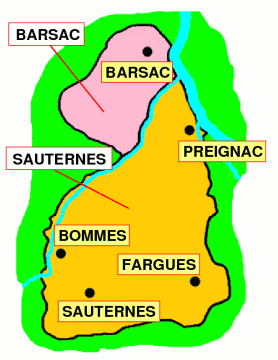
The wine area of Sauternes and Barsac is found in the southern part of Bordeaux wine region, inside the large wine area of Graves, about 40 kilometers (about 25 miles) South-East from the city of Bordeaux. Wines belonging to this Appellation d'Origine Contrôlée area are exclusively produced in five communes: Sauternes, Barsac, Bommes, Fargues and Preignac. Of these five communes, Sauternes and Barsac are the most renowned ones and from here are coming the best sweet wines of the denomination. Despite the commune of Barsac belongs to the Sauternes denomination, wines from this commune can also be classified as Barsac AOC. Producers can therefore decide whether indicating in the label either the first or the second denomination, however the most prestigious producers of this commune prefer to identify their wines with the Barsac AOC denomination. Both Sauternes and Barsac make extraordinary sweet wines with grapes affected by Botrytis Cinerea - here known as pourriture noble - however Barsac wines generally differ from the ones from Sauternes for a lesser body and a higher finesse.
|
|
The production of Sauternes wines, sweet grape nectars capable of amazing every wine lover in the world, are the result of a series of unique and unrepeatable environmental, climatic and natural factors, last but not the least, the intervention of man on the final quality of the product. Despite it plays an essential and irreplaceable role, noble rot is not enough to make Sauternes into a refined and elegant wine, a sweet wine having no equals all over the world. Type of soil, climate and right environmental conditions for the development of Botrytis Cinerea without allowing it to degenerate into ignoble rot and the right grapes, are only some of the essential factors for the production of Sauternes. Then, there is the job of man. The production of a great Sauternes requires strict and patient practices, with no compromises, probably like no other wine in the world. The best Sauternes are in fact produced with grapes cultivated with very low yields, strictly hand harvested, an operation which can be repeated even 12 times during the season, in order to harvest - each time - only the bunches showing the perfect characteristics of ripeness and development of pourriture noble. Sauternes is mainly produced with Sémillon grape, to which is added a part of Sauvignon Blanc and - occasionally - small quantities of Muscadelle. Sémillon, which is very common in the Bordeaux area, seems to be perfect for the production of botrytized wines, that is produced with grapes affected by Botrytis Cinerea. Thanks to its thin skin, Sémillon is in fact particularly sensitive to the attacks of noble rot which can easily penetrate inside the berries, therefore giving them the typical “roasted” look. Sémillon has however the “fault” to easily tend to overproduction, drastically diminishing the final quality of wine. For this reason are required strict cultural practices in order to limit the production of Sémillon and to ensure high quality levels. Also Sauvignon Blanc - which is very common in the Bordeaux region and present in Sauternes in lesser quantity than Sémillon - is particularly sensitive to the attacks of Botrytis Cinerea, while giving the famous sweet nectar of this land, aromas and acidity: two qualities which make Sauternes charming to the nose and balanced in the mouth. The official recipe of Sauternes also includes Muscadelle grape, however it is not always used by producers in their wines. Just like Sémillon and Sauvignon Blanc, Muscadelle is sensitive to the attacks of pourriture noble, a characteristic which is certainly welcome in the Sauternes area. Because of its intense aromas, Muscadelle - when it is used in Sauternes - does not generally exceed 5%, in order not to excessively cover the organoleptic qualities of the other two grapes. The composition of grapes in Sauternes wines varies according to vintage, meteorological conditions and, of course, the choice and style of each producer. In general terms, Sémillon is the main grape and which can also represent 80% of the composition, whereas the lesser part is reserved to Sauvignon Blanc and, marginally, to Muscadelle. The production of Sauternes is always risky, just like for every other wine produced with grapes affected by noble rot. The arrive of noble rot in vineyards is always a preoccupying event for every producers, including the ones who make wines with the grapes affected by this fungus. The correct development of Botrytis Cinerea for the production of these wines, requires humidity in the morning in order to allow the development of the mould, sunny and dry afternoons in order to avoid its excessive development: a condition which does not always happen. In fact it can happen that when the meteorological condition of the year is characterized by excessive humidity, the development of Botrytis Cinerea is excessive and becomes gray rot or, even worse, rot, therefore irreparably compromising the whole harvest. Moreover, sometimes it can happen the noble rot develops very late, therefore increasing the risks for the producers, forcing him or her to harvest the grapes later, with the risk of the worsening of meteorological conditions - in particular hail and rain - therefore compromising the whole harvest. The best Sauternes always come from vineyards with low yields per hectare and harvested by hand. In general terms, the grapes are harvested in distinct phases, by checking every bunch in the vineyard and by harvesting only those showing the right ripeness quality and development of noble rot, while leaving in the plant the bunches requiring some more time in order to reach the perfect condition for the production of Sauternes. Some producers can also repeat this operation even twelve times - usually from October to November - a practice followed by the best producers only. Grapes are then pressed and the must is allowed to ferment in barrels. Because of the high concentration of sugar, the fermentation is very difficult and requires very long times, sometimes a full year. The fermentation is “naturally” stopped when the quantity of alcohol is such to kill the yeast - also because of the presence of Botrytis Cinerea - and, as the concentration of sugar is pretty high, in the wine will be found a remarkable quantity of non fermented residual sugar. At the end of fermentation, Sauternes is allowed to age in cask for about two or three years before being bottled. The grapes not reaching the right conditions for the production of Sauternes - a frequent condition in unfavorable years - are generally used for the production of dry table wines and commercialized with the Bordeaux AOC or Bordeaux Supérieur AOC denominations. In 1980s, in order to make wines with higher quality in less favorable years, in particular in excessively humid years, some producers began the use of cryoextraction of the must. The process consists in freezing the grapes at low temperatures, usually -7° C (19° F). When this temperature is reached, the grapes are immediately crushed while avoiding the extraction of water - in the form of ice - therefore increasing the concentration of the must. The result is similar to what it is naturally obtained in Germany and in Austria in the production of icewines, when the grapes are harvested in wintertime and with temperatures lower than 0° C (32° F).
|
Comparing BarberaFrom grape considered suited for the production of ordinary wines only to grape elected to the Olympus of enology, Barbera is today one of the most important wines of Italy |
|
The history of Barbera - the grape as well as the wines produced with it - seems like a fairy tale with a happy end, a sort of Cinderella who, from a humble and subordinate condition, becomes, because of a sort of magic, to the favorite of the prince, also reaching his palace in a golden carriage. Up to twenty years ago, talking about Barbera in fact meant talking about a humble and ordinary wine, one of the many which were produced in large quantities without caring about quality, a modest wine meant to be consumed every day without asking for more. After all, by considering the tendency of Barbera to make rich yields and to adapt itself in different types of soils, making wine in considerable quantities was not difficult at all. With time things changed thanks to some “pioneer and nonconformist” producers, convinced by the fact with that grape, so harsh and tenacious, was possible to make a noble and valued wine, a wine capable of surprising for its class and elegance, something which was impossible to get - apparently - from Barbera. Despite all that, the impossible has turned into reality and today Barbera is one of the most representative wines of Piedmont's enology and of Italy. By adopting quality viticultural practices and strict wine making techniques, Barbera is today one of those wines which can be compared with no fears with the great wines of the world, most of the times being the winner of the challenge. With its characteristic acidity - something truly different from, for example, the roundness of Merlot - Barbera is a grape capable of making full bodied wines, also supported by its richness in tannins, with intense colors and almost impenetrable transparencies, elegance of aromas that with time can get a character of complexity, something which can be found in great wines only. Because of its acidity and its content in tannins, Barbera grape is particularly suited for the aging in cask - frequently the barrique - a process during which the wine gets a better elegance and finesse, until reaching a very good organoleptic balance also thanks to the proper quantity of alcohol.
|
|
Barbera grape is one of the most common varieties in Piedmont - its homeland - and its presence is very important in other Italian regions as well, such as Lombardy, Emilia Romagna, Veneto, Umbria and Sardinia. Robust and strong, 100% Barbera wines can be remembered for their personality. Barbera grape can also be recognized when it is used together with other grapes: its pleasing and typical crispness is always unmistakable and contributes in a determinant way to make a wine more lively and particular. Of course, crispness is not the only interesting quality of Barbera. The aromatic profile of Barbera has in fact other good surprises: characterized in youth by aromas of red and black berried fruits and flowers, with time it develops extremely complex and balsamic aromas, of great elegance and finesse. Thanks to acidity and the content in polyphenols, as well as alcohol, Barbera wines can stand to long period of aging in bottle, while giving the wine a rounder and less “harsh” character, where crispness, which will always be evident, will get milder in favor of smoothness.
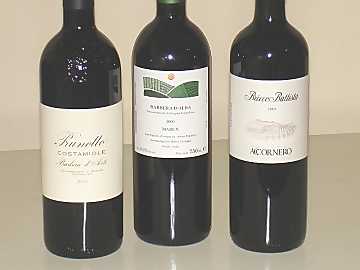
The wines selected for our comparative tasting are produced in three different areas of Piedmont: Asti, Monferrato and Alba, the three most typical areas for the production of Barbera. The goal of our comparative tasting will be the understanding of the identifying organoleptic qualities of Barbera, the differences among the three wines and the influence of wood. The first wine selected for our tasting is Accornero's Barbera del Monferrato Superiore Bricco Battista, aged in barrique for about 18 months. The second wine is Matteo Correggia's Barbera d'Alba Marun, aged for about 20 months in cask. The last wine of our comparative tasting is Prunotto's Barbera d'Asti Costamiole, aged for 12 months in barrique, a shorter period than the one used for the previous wines. The three wines will be tasted at a temperature of 18° C (65° F), in order to favor both the development of aromas as well as the right appreciation of gustatory qualities, in particular crispness. For our comparative tasting, as usual, we will use three ISO tasting glasses.
|
||||||||
|
The characteristics of the aspect of wines produced with Barbera depend on - as for any other wine - the vinification technique, quality of grapes and aging time. Barbera grape is rich in coloring substances therefore the transparency of its wines - quality wines produced with viticultural criteria of low yields per hectare - will be pretty low, sometimes impenetrable to light as well. The color of Barbera may vary from intense and brilliant ruby red from intense garnet red hues. Nuances in Barbera get the same colors of hue: in youth they are characterized by evident ruby red color up to getting garnet red hues. After many years of aging in bottle - that in Barbera can also be of more than 10 years - nuances can also get a brick orange red hue. The first wine of which we will evaluate aspect is Matteo Correggia's Barbera d'Alba Marun. By tilting the glass over a white surface - such as, for example, a sheet of paper or a white tablecloth - we will evaluate, at the base of the glass, the hue of color. It will be observed an intense ruby red color with a pretty low transparency and, by observing the edge of the liquid mass towards the opening of the glass, will be noticed ruby red nuances. Also the color of Prunotto's Barbera d'Alba Costamiole is very similar to the previous wine - intense ruby red - however showing garnet red nuances. Also in this wine the transparency is pretty low, confirming the good contents in coloring substances found in Barbera grape. Let's now pass to the evaluation of the last of the three wines: Accornero's Barbera del Monferrato Superiore Bricco Battista. By holding the glass tilted over a white surface and observing the base of the glass, we will notice a deep ruby red color, pretty dark, and garnet red nuances. It should be noticed how the transparency in this wine is pretty low, practically impenetrable to light.
|
|
Wines produced with Barbera offer to the nose of taster, a very interesting aromatic profile, of fresh fruits and flowers which gets pretty complex after a patient aging in bottle for some years. Among the most characteristic fruit aromas in Barbera is certainly found cherry - which in many cases can also become black cherry - plum and blackberry, whereas among the most typical floral perceptions can be found violet. Because of its organoleptic qualities, in particular crispness and astringency, Barbera grape is generally fermented or aged in cask - frequently in barrique as well - therefore in these wines can also be perceived tertiary aromas, such as vanilla, licorice, tobacco, chocolate, coffee, cocoa, as well as balsamic aromas of menthol and eucalyptus. After some years of aging in bottle, the aromas of fruits tend to get jam qualities and it is not rare to find complex aromas of leather. We will begin the olfactory evaluation from Accornero's Barbera del Monferrato Superiore Bricco Battista. By holding the glass in vertical position and without swirling, we will begin from the evaluation of opening aromas. The first smell will allow the perception of the aromas of black cherry, plum and violet. We will now proceed with swirling the glass in order to favor a proper oxygenation of the wine while favoring the proper development of other aromas, therefore we will do a second smell. This second examination will allow us the perception of aromas of blueberry, vanilla, licorice, tobacco, carob and mace as well as a pleasing and elegant hint of chocolate. It should be noticed the effect of the aging in wood in this wine - about 18 months in barrique - which gives the wine tertiary aromas which are well perceptible in the overall organoleptic profile without covering balance and primary qualities of Barbera. Let's now pass to the second wine of our tasting: Prunotto's Barbera d'Asti Costamiole. Opening aromas, evaluated by holding the glass in vertical position and without swirling, will be characterized by cherry, plum, blueberry and vanilla, whereas the second smell - after having swirled the glass - will complete the aromatic profile with blackberry, black currant, cyclamen, tobacco, licorice and cocoa followed by pleasing and elegant hints of mace, menthol and clover. It should be noticed, also in this case, how the contribution of wood - 12 months in barrique - gives the wine pleasing tertiary aromas without disturbing the perception and balance of other aromas. Opening aromas of the third wine of our comparative tasting - Matteo Correggia's Barbera d'Alba Marun - will be characterized by aromas of black cherry, plum and violet, typical in Barbera and similar to the two previous wines. After having swirled the glass, we will proceed with the second smell which will allow the perception of aromas of blueberry, blackberry, vanilla, tobacco and eucalyptus, followed by elegant hints of black pepper, nutmeg and cocoa.
|
||||
|
Wines produced with Barbera grapes have pretty particular organoleptic qualities, giving the wine an absolutely unique personality. The remarkable personality of Barbera is also found on the taste, so different and particular from the concept which one usually has about a red wine. There are two gustatory qualities of Barbera which make these wines particular: full body and appreciable crispness. The appreciable acidity of Barbera is in fact a pretty unusual quality which could surprise many, however it is a very interesting quality requiring proper organoleptic factors in order to be balanced, such as alcohol and roundness given by the aging in wood, also needed to balance astringency. Barbera is in fact characterized by a pretty strong astringency, therefore the aging in wood and the subsequent aging in bottle, are always useful practices with wines produced with this grape. We will begin the gustatory evaluation from Accornero's Barbera del Monferrato Superiore Bricco Battista: the tannic attack anticipates the remarkable structure of this wine, a sensation which will be followed by the appreciable crispness: qualities which are perfectly balanced both by alcohol and the aging in barrique. Also the attack of the second wine of our comparative tasting - Prunotto's Barbera d'Asti Costamiole - is characterized by a pretty tannic sensation and pleasing crispness which will be followed by the perception of the pseudo caloric sensation of alcohol and pleasing roundness: a wine with a great structure and excellent balance. Let's now pass to the gustatory analysis of the third wine: Matteo Correggia's Barbera d'Alba Marun. The attack of this wine - just like the two previous wines - will be characterized by an evident astringency produced by tannins contained in the wine and a pleasing and balanced crispness, also in this case, typical in Barbera. The excellent balance of this wine - of remarkable structure - is ensured by alcohol and the roundness given by the aging in cask.
|
|
The three Barberas selected for our comparative tasting fully express the quality of this excellent Piedmont's grape, although keeping the typical character of the areas from which they come. The finish of Accornero's Barbera del Monferrato Superiore Bricco Battista is persistent and leaves in the mouth flavors of black cherry, plum and blueberry. Also the finish of the second wine - Prunotto's Barbera d'Asti Costamiole - is persistent with pleasing and refined flavors of cherry, plum and blackberry. The finish of the third wine, Matteo Correggia's Barbera d'Alba Marun is persistent with long and elegant flavors of black cherry, plum, blueberry and blackberry. It should be noticed how in all the three wines the consistency of the structure can be perceived after the wine has been swallowed, as well as the pleasing sensation of crispness. Barbera has come a long way, after a history centuries long and after having been subjected to deplorable logic of bulk production where quality was never considered, this grape confirms today its great elegance and class. Thanks to the obstinacy and the commitment of many producers - such as the ones of the wines of our comparative tasting - Barbera is today considered, with full merit, among the best red wines of Italy.
|
Wines of the Month |
|
|
Score legend Fair Pretty Good Good Very Good Excellent Fair Pretty Good Good Very Good Excellent Wine that excels in its category Wine that excels in its category Good value wine Good value winePrices are to be considered as indicative. Prices may vary according to the country or the shop where wines are bought |
|
|
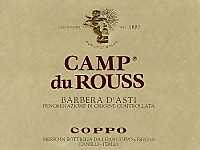
Barbera d'Asti Camp du Rouss 2004 |
|
| Coppo (Piedmont, Italy) | |
| Grapes: Barbera | |
| Price: € 12.00 | Score: |
| The wine shows an intense ruby red color and nuances of purple red, little transparency. The nose denotes intense, clean and pleasing aromas which start with hints of cherry, plum and black currant followed by aromas of blueberry, violet, pink pepper and vanilla. The mouth has good correspondence to the nose, a tannic attack and pleasing crispness, however balanced by alcohol, good body, intense flavors. The finish is persistent with flavors of plum and cherry. Barbera d'Asti Camp du Rouss ages for 12 months in barrique followed by 4 months of aging in bottle. | |
| Food Match: Stuffed pasta, Stewed meat with mushrooms, Roasted meat | |
|
|
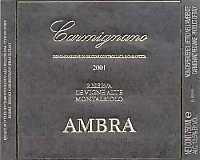
Carmignano Riserva Le Vigne Alte Montalbiolo 2001 |
|
| Fattoria Ambra (Tuscany, Italy) | |
| Grapes: Sangiovese (70%), Canaiolo Nero (20%), Cabernet Sauvignon (10%) | |
| Price: € 24.00 | Score: |
| This wine shows a brilliant ruby red color and nuances of garnet red, moderate transparency. The nose denotes intense, clean, pleasing and refined aromas which start with hints of black cherry, plum and dried violet followed by aromas of blueberry, blackberry, vanilla, tobacco, licorice, chocolate, cinnamon and menthol. The mouth has good correspondence to the nose, a tannic attack and however balanced by alcohol, good body, intense flavors, agreeable. The finish is persistent with flavors of black cherry, plum and blueberry. Carmignano Riserva Le Vigne Alte Montalbiolo ages for 24 months in cask. | |
| Food Match: Roasted meat, Stewed and braised meat, Hard cheese | |
|
|
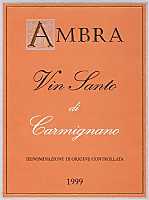
Vin Santo di Carmignano 1999 |
|
| Fattoria Ambra (Tuscany, Italy) | |
| Grapes: Trebbiano Toscano (90%), San Colombano (10%) | |
| Price: € 25.00 - 375ml | Score: |
| The wine shows an intense amber yellow color and nuances of amber yellow, transparent. The nose reveals intense, clean, pleasing, refined and elegant aromas that start with hints of raisin, dried fig and almond followed by aromas of dried apricot, date, caramel,leather, coffee, candied fruits, honey, nail polish and vanilla. The mouth has good correspondence to the nose, a sweet attack and however balanced by alcohol, full body, intense flavors, agreeable roundness. The finish is persistent with flavors of raisin, dried fig and almond. A well made wine. Vin Santo di Carmignano ages for 6 years in small 50 liters barrels. | |
| Food Match: Hard and piquant cheese, Dried fruits and jam tarts | |
|
|
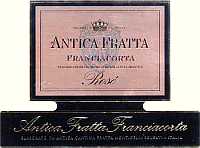
Franciacorta Rosé |
|
| Antica Fratta (Lombardy, Italy) | |
| Grapes: Chardonnay, Pinot Noir | |
| Price: € 18.00 | Score: |
| Franciacorta Rosé shows a brilliant onion skin pink and nuances of onion skin pink, very transparent, fine and persistent perlage. The nose denotes intense, clean, pleasing and refined aromas that start with hints of cherry, raspberry and bread crust followed by aromas of strawberry, banana, hawthorn, tangerine, yeast, apple and pink grapefruit. The mouth has good correspondence to the nose, an effervescent and crisp attack, however balanced by alcohol, good body, intense flavors, agreeable. The finish is persistent with flavors of cherry, raspberry and strawberry. Franciacorta Rosé ages for at least 24 months in bottle on its lees. | |
| Food Match: Stuffed pasta, Roasted fish, Roasted white meat | |
|
|
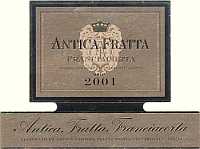
Franciacorta Brut Millesimato 2001 |
|
| Antica Fratta (Lombardy, Italy) | |
| Grapes: Chardonnay | |
| Price: € 20.00 | Score: |
| This Franciacorta shows a pale golden yellow color and nuances of straw yellow, very transparent, fine and persistent perlage. The nose reveals intense, clean, pleasing, refined and elegant aromas which start with hints of apple, plum and banana followed by aromas of hazelnut, hawthorn, grapefruit, bread crust, yeast, pineapple, butter and praline. The mouth has good correspondence to the nose, an effervescent and crisp attack, however balanced by alcohol, good body, intense flavors, agreeable. The finish is persistent with flavors of apple, plum and grapefruit. A well made wine. Franciacorta Brut Millesimato ages in bottle on its lees for at least 48 months. | |
| Food Match: Roasted fish, Stuffed pasta, Roasted white meat | |
|
|
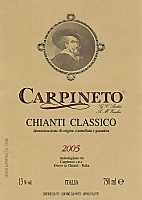
Chianti Classico 2005 |
|
| Carpineto (Tuscany, Italy) | |
| Grapes: Sangiovese (90%), Canaiolo Nero (10%) | |
| Price: € 9.00 | Score: |
| This Chianti Classico shows an intense ruby red color and nuances of ruby red, moderate transparency. The nose reveals intense, clean, pleasing and refined aromas which start with hints of plum and black cherry followed by aromas of violet, blackberry, blueberry, carob and vanilla. The mouth has good correspondence to the nose, a tannic attack and however balanced by alcohol, good body, intense flavors. The finish is persistent with flavors of black cherry, plum and blackberry. This Chianti Classico ages for 4-6 months in cask. | |
| Food Match: Roasted meat, Broiled meat and barbecue, Stewed meat with mushrooms | |
|
|
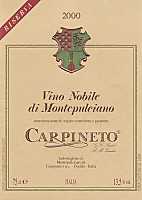
Vino Nobile di Montepulciano Riserva 2000 |
|
| Carpineto (Tuscany, Italy) | |
| Grapes: Prugnolo Gentile (90%), Canaiolo Nero (10%) | |
| Price: € 16.00 | Score: |
| This wine shows an intense ruby red color and nuances of garnet red, moderate transparency. The nose denotes intense, clean, pleasing and refined aromas which start with hints of black cherry, plum and violet followed by aromas of blueberry, vanilla, tobacco, pink pepper, licorice, carob and mace. The mouth has good correspondence to the nose, a tannic attack and however balanced by alcohol, good body, intense flavors. The finish is persistent with flavors of plum, black cherry and blueberry. Vino Nobile di Montepulciano Riserva ages for 2 years in cask followed by at least 12 months of aging in bottle. | |
| Food Match: Roasted meat, Braised and stewed meat, Game, Hard cheese | |
|
|
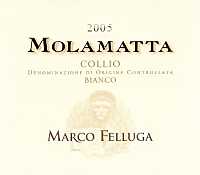
Collio Bianco Molamatta 2005 |
|
| Marco Felluga (Friuli Venezia Giulia, Italy) | |
| Grapes: Tocai Friulano, Ribolla Gialla, Pinot Blanc | |
| Price: € 13.70 | Score: |
| Molamatta shows a brilliant straw yellow color and nuances of greenish yellow, very transparent. The nose denotes intense, clean, pleasing and refined aromas which start with hints of pear, apple and plum followed by aromas of hawthorn, broom, pineapple, almond, peach and vanilla. The mouth has good correspondence to the nose, a crisp attack and however balanced by alcohol, good body, intense flavors, agreeable. The finish is persistent with flavors of apple, plum and pear. A well made wine. The Pinot Blanc used for the production of Collio Bianco Molamatta ferments in barrique. | |
| Food Match: Pasta and risotto with fish and vegetables, Eggs, Broiled crustaceans, Sauteed fish | |
|
|
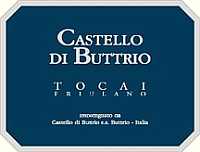
Colli Orientali del Friuli Tocai Friulano 2005 |
|
| Castello di Buttrio (Friuli Venezia Giulia, Italy) | |
| Grapes: Tocai Friulano | |
| Price: € 8.00 | Score: |
| The wine shows a pale golden yellow color and nuances of straw yellow, very transparent. The nose denotes intense, clean, pleasing and refined aromas which start with hints of apple, plum and grapefruit followed by aromas of citrus fruits, hawthorn, almond, broom, pineapple, peach and pear. The mouth has good correspondence to the nose, a crisp attack and however balanced by alcohol, good body, intense flavors, agreeable. The finish is persistent with flavors of apple, plum and almond. A well made wine. A small part of this wine ferments in cask and ages in steel tanks for about 8 months. | |
| Food Match: Pasta with fish, Roasted and broiled fish, Roasted white meat | |
|
|
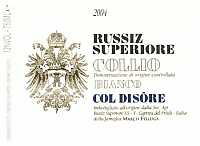
Collio Bianco Col Disôre 2004 |
|
| Russiz Superiore (Friuli Venezia Giulia, Italy) | |
| Grapes: Tocai Friulano, Ribolla Gialla, Pinot Blanc, Sauvignon Blanc | |
| Price: € 20.00 | Score: |
| Collio Bianco Col Disôre shows a brilliant straw yellow color and nuances of straw yellow, very transparent. The nose reveals intense, clean, pleasing, refined and elegant aromas which start with hints of pear, apple and pineapple followed by aromas of broom, hawthorn, litchi, almond, acacia, grapefruit, banana, mettle, peach, sage, plum and vanilla. The mouth has very good correspondence to the nose, a crisp attack and however balanced by alcohol, good body, intense flavors, agreeable. The finish is very persistent with long flavors of apple, grapefruit and pineapple. A well made wine. Collio Bianco Col Disôre ages for 12 months in cask followed by about 12 months of aging in bottle. | |
| Food Match: Roasted fish, Roasted white meat, Stuffed pasta | |
|
|
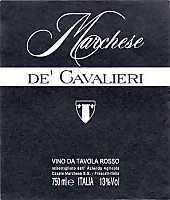
Marchese de' Cavalieri 2002 |
|
| Casale Marchese (Latium, Italy) | |
| Grapes: Cabernet Sauvignon, Merlot | |
| Price: € 14.00 | Score: |
| This wine shows an intense ruby red color and nuances of ruby red, moderate transparency. The nose denotes intense, clean, pleasing and refined aromas that start with hints of plum, black cherry and blueberry followed by aromas of black currant, violet, carob, pink pepper and vanilla. The mouth has good correspondence to the nose, a tannic attack and pleasing roundness, however balanced by alcohol, good body, intense flavors. The finish is persistent with flavors of black cherry, plum and blueberry. Marchese de' Cavalieri ages for 12 months in barrique. | |
| Food Match: Broiled meat and barbecue, Roasted meat, Stewed meat with mushrooms, Hard cheese | |
|
|
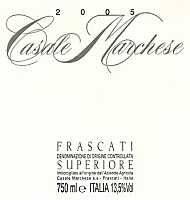
Frascati Superiore 2005 |
|
| Casale Marchese (Latium, Italy) | |
| Grapes: Malvasia del Lazio, Trebbiano Giallo, Malvasia di Candia, Bonvino | |
| Price: € 6.00 | Score: |
| This Frascati Superiore shows a pale straw yellow color and nuances of greenish yellow, very transparent. The nose reveals intense, clean, pleasing and refined aromas that start with hints of pear, plum and hawthorn followed by aromas of apple, citrus fruits, broom and almond. The mouth has good correspondence to the nose, a crisp attack and however balanced by alcohol, good body, intense flavors. The finish is persistent with flavors of pear, plum and almond. | |
| Food Match: Pasta and risotto with fish and crustaceans, Stewed fish, Broiled crustaceans | |
|
|
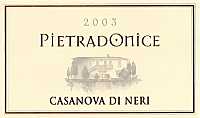
Sant'Antimo Rosso PietradOnice 2003 |
|
| Casanova di Neri (Tuscany, Italy) | |
| Grapes: Cabernet Sauvignon (90%), Sangiovese (10%) | |
| Price: € 55.00 | Score: |
| This wine shows an intense ruby red color and nuances of ruby red, little transparency. The nose denotes intense, clean, pleasing, refined and elegant aromas which start with hints of black cherry, black currant and plum followed by aromas of blueberry, violet, vanilla, tobacco, licorice, chocolate, cedar wood, bell pepper, mace and menthol. The mouth has good correspondence to the nose, a tannic attack and however balanced by alcohol, full body, intense flavors. The finish is persistent with flavors of black cherry, plum and black currant. A well made wine. Sant'Antimo Rosso PietradOnice ages for 18 months in barrique. | |
| Food Match: Game, Braised and stewed meat, Roasted meat, Hard cheese | |
|
|
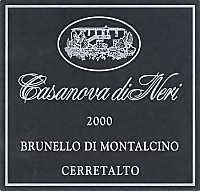
Brunello di Montalcino Cerretalto 2000 |
|
| Casanova di Neri (Tuscany, Italy) | |
| Grapes: Sangiovese | |
| Price: € 85.00 | Score: |
| Brunello di Montalcino Cerretalto shows an intense ruby red color and nuances of garnet red, little transparency. The nose reveals intense, clean, pleasing, refined and elegant aromas which start with hints of plum, black cherry and blackberry followed by aromas of violet, vanilla, blueberry, licorice, tobacco, cocoa, coffee, clover, mace and menthol. The mouth has very good correspondence to the nose, a tannic attack and however balanced by alcohol, full body, intense flavors, agreeable roundness. The finish is very persistent with long flavors of black cherry, plum and blackberry. A well made wine. Brunello di Montalcino Cerretalto ages for 27 months in barrique followed by at least 36 months of aging in bottle. | |
| Food Match: Game, Roasted meat, Braised and stewed meat, Hard cheese | |
|
|
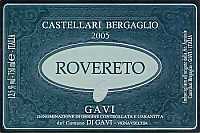
Gavi di Gavi Rovereto Vignavecchia 2005 |
|
| Castellari Bergaglio (Piedmont, Italy) | |
| Grapes: Cortese | |
| Price: € 11.00 | Score: |
| This wine shows a brilliant golden yellow color and nuances of straw yellow, very transparent. The nose denotes intense, clean, pleasing and refined aromas that start with hints of apple, plum and pear followed by aromas of hawthorn, lemon, pineapple, broom, peach and almond. The mouth has good correspondence to the nose, a crisp attack and however balanced by alcohol, good body, intense flavors, agreeable. The finish is persistent with flavors of apple, plum and pear. Gavi di Gavi Rovereto Vignavecchia ages for at least 3 months in bottle. | |
| Food Match: Fried fish, Pasta and risotto with vegetables and crustaceans, Dairy products, Sauteed fish, Eggs | |
|
|
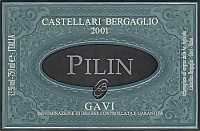
Gavi Pilin 2001 |
|
| Castellari Bergaglio (Piedmont, Italy) | |
| Grapes: Cortese | |
| Price: € 16.00 | Score: |
| Gavi Pilin shows an intense golden yellow color and nuances of golden yellow, very transparent. The nose reveals intense, clean, pleasing, refined and elegant aromas which start with hints of quince, plum and almond followed by aromas of ripe banana, apricot jam, hawthorn, broom, lavender, honey, pear, grapefruit and vanilla. The mouth has good correspondence to the nose, a crisp attack and pleasing smoothness, however balanced by alcohol, good body, intense flavors, agreeable. The finish is persistent with flavors of quince, plum, honey and almond. A well made wine. Gavi Pilin is produced with slightly dried grapes, ages for 12 months in barrique followed by 2 years of aging in bottle. | |
| Food Match: Roasted fish, Fish and mushrooms soups, Stuffed pasta, Roasted white meat | |
|
|
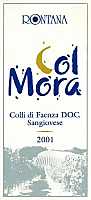
Colli di Faenza Sangiovese Col Mora 2001 |
|
| Rontana (Emilia Romagna, Italy) | |
| Grapes: Sangiovese | |
| Price: € 11.00 | Score: |
| The wine shows a brilliant ruby red color and nuances of garnet red, moderate transparency. The nose denotes intense, clean, pleasing and refined aromas that start with hints of plum, black cherry and blueberry followed by aromas of raspberry, violet, cocoa and vanilla. The mouth has good correspondence to the nose, a slightly tannic attack and pleasing crispness, however balanced by alcohol, good body, intense flavors. The finish is persistent with flavors of plum, black cherry and blueberry. | |
| Food Match: Stuffed pasta with mushrooms, Sauteed meat, Cold cuts, Hard cheese | |

|
|
Colli di Faenza Rosso Riserva Colle Torre Monte 2001 |
|
| Rontana (Emilia Romagna, Italy) | |
| Grapes: Cabernet Sauvignon (40%), Sangiovese (40%), Merlot (20%) | |
| Price: € 18.00 | Score: |
| The wine shows an intense ruby red color and nuances of garnet red, little transparency. The nose reveals intense, clean, pleasing and refined aromas that start with hints of plum, black cherry and black currant followed by aromas of blueberry, violet, vanilla, tobacco, mace, cocoa and menthol. The mouth has good correspondence to the nose, a tannic attack and however balanced by alcohol, good body, intense flavors, agreeable. The finish is persistent with flavors of black cherry, plum and black currant. Colle Torre Monte ages for 20 months in barrique followed by at least 10 months of aging in bottle. | |
| Food Match: Roasted meat, Braised and stewed meat, Hard cheese | |
Bersi SerliniIn the heart of Franciacorta, near the Iseo lake in a splendid site belonged to the monks of Cluny, the Bersi Serlini winery is involved since three generations to a passionate production of wine |
|
The quality of Italian wine has shown, in the last thirty years, important changes which can be considered as a revolution. Production methods, cultural practices and commercial strategies based on quality, have drastically changed the world of wine in Italy and its consumption as well. The merit goes to the many obstinate and tenacious producers who believed in the richness of the heritage found in their lands, convinced that from their vineyards could born wines with excellent quality, as to be compared, with no fear, to the ones considered as wines par excellence. A fundamental contribution to this change must be recognized - with no doubt - to Franciacorta, today one of the most refined producers of bubbles in the world, as to compete, and frequently win, the comparison with the production of the other countries in the world. The history of Franciacorta is extraordinary: in just about 30 years it was capable of becoming one of the most important producers of bubbles in the world, the first Italian classic method sparkling wine to reach the status of Denominazione d'Origine Controllata e Garantita (Denomination of Controlled and Guaranteed Origin, DOCG).
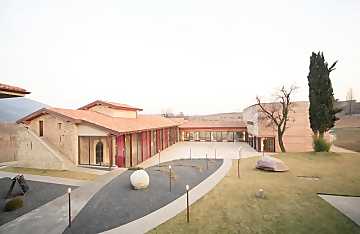
It was 1967 when the wines of Franciacorta obtained the Denominazione d'Origine Controllata status (Denomination of Controlled Origin, DOC), a goal which will lead, after about thirty years - in 1995 - to the Denominazione d'Origine Controllata e Garantita status (DOCG) for the prestigious bubbles of this land. An important role towards this goal was certainly played by Bersi Serlini that, among the other things, was the first winery to produce in 1970 Franciacorta Brut. The story of Bersi Serlini winery begins in 1886, when the family acquired a property situated in “Cerreto” place, an ancient site belonging to the monks of Cluny. A site rich in history and with a deep connection with the vine and wine. The first document mentioning the presence of the vine at “Cerreto” is dated back to 1489, in a parchment concerning the census in the lands of the Monastery of Saint Peter in Lamosa at Provaglio d'Iseo. “Cerreto” will change its property many times in the course of its history, up to 1765, when it will pass under the control of private subjects and to the control of many families, until 1886, when it was finally acquired by the Bersi Serlini family. The headquarter of Bersi Serlini is located in a farmhouse of the monastery - dated back to 1400s and used in the past to accommodate the rooms of monks - subsequently widen around the half of 1900s by lawyer Piero Bersi Serlini. Here, in 1970, under the supervision of the son Arturo, will be produced the first bottle of Franciacorta Brut. After more than 35 years, Bersi Serlini - which recently increased the range of its products with the prestigious Franciacorta Brut Vintage 2000 - represents still today one of the most important wineries in Franciacorta. The management is today led by Maddalena Bersi Serlini - who is also the regional president of “Donne del Vino” association in Lombardy (Women of wine) - and her sister Chiara Bersi Serlini. For little more than one year, Bersi Serlini also takes advantage of the competence of Ms. Antonietta Zandomeneghi, a marketing expert, who after having worked with many wineries in north Italy, she is now in charge of communication strategies, commercial management and marketing.
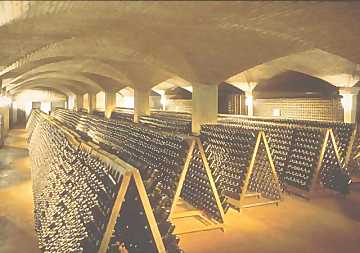
Bersi Serlini family is in the wine business for more than one hundred years, by cultivating with passion and commitment the thirty hectares destined to vineyards. Bersi Serlini's vineyards take advantage of a good aeration and the soil is composed by a thick layer of limestone, a part of clay and silt, softened by an abundant layer of sands of alluvial origins. The composition of the soil is such to give the wines characters of finesse and elegance, expressions of Provaglio and Timoline territories. Also the microclimate found in the vineyards in pretty favorable: twelve hours of daily aeration which regularly happen in summertime, from 10PM to 10AM, a mild and cool climate ideal for the cultivation of the vine. Vineyards are cultivated by following the principles of Eco Environmental Culture, with a limited use of treatments and therefore a better respect for the environment. The thirty hectares of vineyards and property of Bersi Serlini, are mainly cultivated with Chardonnay and Pinot Blanc varieties, a small part is destined to Pinot Noir, whereas about three hectares are destined to the cultivation of Cabernet Franc and Cabernet Sauvignon. The cultivation of vineyards is supervised by agronomist Dr. Pierluigi Villa, by following criteria of a large number of plants per hectare and a lesser quantity of grapes produced for each vine, therefore obtaining a fundamental presupposition for quality. The harvesting is strictly done by hand and the grapes are transported to the cellar and crushed within one hour. The harvesting and the crushing of grapes are done separately for each vineyard. The cellar is supervised by wine maker Corrado Cugnasco and by cellar master Luca Ferrari. The crushing of grapes is done by applying a light force and from about 100 kilograms of grapes are obtained about 60-70 liters of must. The vinification cellar is equipped with thermo-controlled stainless steel tanks, therefore allowing the separate vinification of each vineyard. In one or two tanks is in fact kept the must of each vineyard, in order to allow a better control over the organoleptic qualities of each wine which will then become the cuvée of Bersi Serlini's Franciacorta. When base wines have reached the right time of aging, Bersi Serlini family, together with its technical staff, begins the tasting of each tanks, therefore making the different cuvée. Every cuvée, according to their organoleptic qualities, will be then used for the creation of the many Franciacorta styles. The base wine is then bottled - after having added natural yeasts and cane sugar - in order to start the refermentation process: the first step towards the creation of the elegant Franciacorta bubbles. Bottles are then kept in the cool underground cellars dated back to 1400s, at eight meters deep with a constant temperature from 13° to 15° C, where they will be allowed to age for many years. At the end of aging, the bottles undergo the remuage process, done by hand, followed by disgorgement, that at Bersi Serlini is done for six or seven times per year, producing each time about 25,000 bottles.
|
||||||||||||||||||||
|
Score legend Fair Pretty Good Good Very Good Excellent Wine that excels in its category Good value wine Prices are to be considered as indicative. Prices may vary according to the country or the shop where wines are bought |
|
|
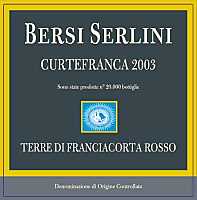
Terre di Franciacorta Curtefranca Rosso 2003 |
|
| Bersi Serlini (Lombardy, Italy) | |
| Grapes: Cabernet Franc, Cabernet Sauvignon (45%), Merlot (35%), Barbera (10%), Nebbiolo (10%) | |
| Price: € 8.00 | Score: |
| The wine shows a pale straw yellow color and nuances of greenish yellow, very transparent. The nose reveals intense, clean and pleasing aromas which start with hints of apple, pear and banana followed by aromas of pineapple, hawthorn, broom and plum. The mouth has good correspondence to the nose, a crisp attack and however balanced by alcohol, good body, intense flavors. The finish is persistent with flavors of apple, pineapple and pear. Terre di Franciacorta Curtefranca Bianco ages in steel tanks. | |
| Food Match: Broiled fish, Roasted white meat, Pasta with fish | |
|
|
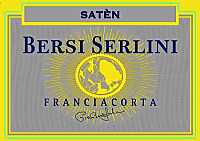
Franciacorta Brut Satèn |
|
| Bersi Serlini (Lombardy, Italy) | |
| Grapes: Chardonnay | |
| Price: € 19.00 | Score: |
| This Franciacorta Brut Satèn shows a brilliant golden yellow color and nuances of golden yellow, very transparent, fine and persistent perlage. The nose reveals intense, clean, pleasing and refined aromas that start with hints of banana, praline and hazelnut followed by aromas of acacia, citrus fruits, pineapple, hawthorn, pear, butter, apple and plum. The mouth has good correspondence to the nose, an effervescent and crisp attack, however balanced by alcohol, good body, intense flavors, agreeable. The finish is persistent with flavors of apple, plum and pineapple. A part of the base wine used for this Franciacorta ages in barrique. This Franciacorta ages in bottle on its lees for 33 months. | |
| Food Match: Fish and vegetables appetizers, Pasta and risotto with vegetables and crustaceans, Sauteed fish | |
|
|
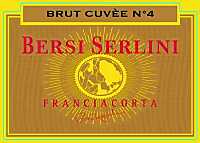
Franciacorta Brut Riserva 2000 |
|
| Bersi Serlini (Lombardy, Italy) | |
| Grapes: Chardonnay (75%), Pinot Blanc (25%) | |
| Price: € 20.00 | Score: |
| This Franciacorta shows a brilliant golden yellow color and nuances of straw yellow, very transparent, fine and persistent perlage. The nose denotes intense, clean, pleasing and refined aromas that start with hints of apple, plum and bread crust followed by aromas of banana, pineapple, croissant, butter, hawthorn, yeast, jasmine, apple and grapefruit. The mouth has good correspondence to the nose, an effervescent and crisp attack, however balanced by alcohol, good body, intense flavors, agreeable. The finish is persistent with flavors of apple, plum and grapefruit. Franciacorta Brut Riserva ages for 50 months in bottle on its lees. | |
| Food Match: Roasted fish, Roasted white meat, Stewed fish, Stuffed pasta | |
|
|
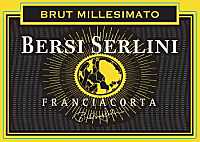
Franciacorta Brut Cuvée 4 |
|
| Bersi Serlini (Lombardy, Italy) | |
| Grapes: Chardonnay (80%), Pinot Blanc (20%) | |
| Price: € 19.00 | Score: |
| The wine shows an intense golden yellow color and nuances of golden yellow, very transparent, fine and persistent perlage. The nose reveals intense, clean, pleasing and refined aromas which start with hints of banana, grapefruit and hazelnut followed by aromas of hawthorn, bread crust, butter, croissant, apple, yeast, pear, plum, praline and vanilla. The mouth has good correspondence to the nose, an effervescent and crisp attack, however balanced by alcohol, good body, intense flavors, agreeable. The finish is persistent with flavors of banana, plum and hazelnut. The base wine ferments and age in barrique for 4 months. Franciacorta Brut Cuvée 4 ages for 25 months in the bottle on its lees. | |
| Food Match: Stuffed pasta, Mushrooms soups, Broiled fish, Stewed fish, Sauteed white meat | |
|
|
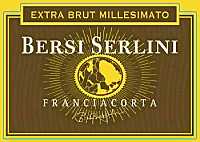
Franciacorta Extra Brut Riserva 2000 |
|
| Bersi Serlini (Lombardy, Italy) | |
| Grapes: Chardonnay (70%), Pinot Blanc (30%) | |
| Price: € 20.00 | Score: |
| This Franciacorta shows an intense straw yellow color and nuances of straw yellow, very transparent, fine and persistent perlage. The nose denotes intense, clean, pleasing and refined aromas that start with hints of banana, apple and plum followed by aromas of bread crust, yeast, pineapple, butter, croissant, hazelnut, hawthorn, pear and grapefruit. The mouth has good correspondence to the nose, an effervescent and crisp attack, however balanced by alcohol, good body, intense flavors, agreeable. The finish is persistent with flavors of apple, plum and banana. Franciacorta Extra Brut Riserva ages for 50 months in bottle on its lees. | |
| Food Match: Roasted fish, Roasted white meat, Stewed fish, Stuffed pasta | |
|
|
Franciacorta Brut Vintage 2000 |
|
| Bersi Serlini (Lombardy, Italy) | |
| Grapes: Chardonnay | |
| Price: € 28.00 | Score: |
| Franciacorta Brut Vintage shows a pale golden yellow color and nuances of straw yellow, very transparent, fine and persistent perlage. The nose reveals intense, clean, pleasing, refined and elegant aromas which start with hints of banana, pear and apple followed by aromas of pineapple, acacia, tangerine, white rose, bread crust, star anise, plum and praline. The mouth has good correspondence to the nose, an effervescent and crisp attack, however balanced by alcohol, good body, intense flavors, agreeable. The finish is persistent with flavors of banana, tangerine and apple. A well made wine. Franciacorta Brut Vintage ages in the bottle on its lees for 60 months. | |
| Food Match: Stuffed pasta, Pasta and risotto with fish, Roasted white meat, Roasted fish | |
| Bersi Serlini - Via Cereto, 7 - 25050 Provaglio d'Iseo, Brescia (Italy) - Tel. +39 30 9823338 Fax: +39 30 983234 - Winemaker: Corrado Cugnasco - Established: 1960 - Production: 210.000 bottles - E-Mail: info@bersiserlini.it - WEB: www.bersiserlini.it |
Cellar Journal |
|
This section is reserved to wine producers who want to publish news and information about their business, to announce new products or just for communicating to customers information and promotions about their products and activity. Send news to be published to our e-mail address.
|
News |
|
In this section are published news and information about events concerning the world of wine and food. Whoever is interested in publishing this kind of information can send us a mail to our address.
|
Making Wine: YeastEssential microorganisms for the fermentation process, yeasts are responsible for the transformation of the must into wine, a complex process remained mysterious for many years |
|
There are no reliable information about how and when fermentation was discovered, a process that for centuries has been considered a mystery, by simply observing the phenomenon and to benefit from its effects. It is believed fermentation was discovered by chance in remote times, probably observing the curious phenomenon of the “boiling” that may have happened in a cereals soup, and subsequently in other liquids showing the same behavior, including grape juice. For centuries considered as a “divine gift”, fermentation and the factors responsible for this complex chemical phenomenon, have remained one of the many unsolved mysteries, although, in a more or less empirical way, one could count on. One of the first suppositions about the fermentation phenomenon, was believing it was a “sort” of decomposition of the organic substances found in the must. Only technique and the progresses done in chemical, biological and technological fields will allow, centuries later, to understand the phenomenon of fermentation and the factors which regulate it.
The first step towards the understanding of the fermentation phenomenon was done by the famous French chemist Antoine Lavoisier who, in the 1700s, was successful in proving the sugar contained in the must was transformed into alcohol and carbon dioxide. In the 1800s, the French chemist Joseph Louis Gay-Lussac formulated the mathematical relationship regulating the transformation of sugar in alcohol and carbon dioxide. Thanks to the many researches done by the great Louis Pasteur, the fermentation was finally understood including the factors regulating it. In fact, it was Louis Pasteur to prove, in 1854 thanks to its countless experiments, that fermentation was produced by the activity of yeasts when they develop in an oxygenless environment. He also discovered the production of unwanted substances in wine - such as lactic acid and acetic acid - was caused by the presence of microorganisms of different nature. The contribution of Louis Pasteur in wine making and the understanding of the fermentation process have been fundamental and its job allowed the technological development of enology the way we know it today. Louis Pasteur defined the fermentation process as “a phenomenon connected to life”, as he was the first one to understand yeasts were living organisms. As for wine, Louis Pasteur defined it as «the most healthy and hygienic of beverages».
|
||||||||
|
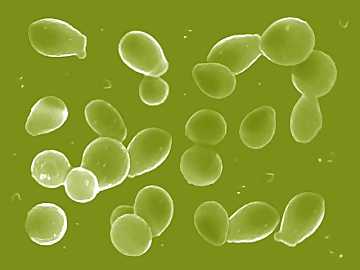
Yeasts are microorganisms made of a single cell, classified as fungi. Researches done on these microorganisms allowed the discovery and the classification of more the one thousand different species, each having its own characteristics, although sharing the same biological principles. Yeasts are classified in two categories: aerobic yeasts and anaerobic yeasts. These two categories identify the method used by the yeast for its keeping in life. The first category uses aerobic breathing - that is they need air and oxygen for the keeping of their life - whereas the second category, in absence of oxygen, can adopt a process of anaerobic breathing, commonly known as fermentation. Anaerobic yeasts produce in fact energy from the conversion of sugar into carbon dioxide and ethyl alcohol, they therefore are the kind of yeast having an essential use in the production of alcoholic beverages, such as wine. This process is however “dangerous” for yeasts, as the production of alcohol goes on, the environment in which they are gets concentration of alcohol such to cause the death of the yeast itself. Every kind of yeast has a specific sensitivity and resistance to the concentration of alcohol: a characteristic which is carefully evaluated when choosing a yeast for the production of wine according to the quantity of alcohol wanted in the final product. Among the many kind of anaerobic yeasts, and therefore suited for the production of ethyl alcohol, in wine making are mainly used two species: Saccharomyces Cerevisiae and Saccharomyces Bayanus. Of the countless kinds of yeasts, Saccharomyces Cerevisiae certainly is the most studied one because of the countless uses for the production of beverages and foods. This kind of yeast is commonly known as brewer's yeast or baker's yeast, because it is widely used for the fermentation of beer and the leavening of bakery products, including bread. Another factor for the classification of yeasts is represented by shape, a factor which can be determined by the observation of these microorganisms through the microscope. Despite in the fermentation of the must are responsible many type of yeasts, the most interesting ones are those classified as apiculate and elliptic. Both Saccharomyces Cerevisiae and Saccharomyces Bayanus belong to the family of “elliptic”, whereas among the main “apiculate” yeasts of fermentation is found Kloechera Apiculata, responsible, among the other things, to the activation of fermentation which will be then completed by Saccharomyces Cerevisiae. Of these yeasts, Kloechera Apiculata is the one having the lesser resistance to the effects of alcohol: with just 3-4% of alcohol concentration its activity is stopped. Some species of Saccharomyces Cerevisiae can also support concentrations of 16-17% of ethyl alcohol, whereas the Saccharomyces Bayanus species can support even higher concentrations. Not all yeasts have the same yield in the production of ethyl alcohol: there are yeasts which need, for example, higher quantities of sugar in order to make the same quantity of alcohol. The Kloechera Apiculata species needs a concentration of 21-22 grams per liter of sugar to give 1% of ethyl alcohol, Saccharomyces Bayanus needs 20 grams per liter in order to make the same quantity, whereas Saccharomyces Cerevisiae needs just 17-18 grams per liter. The quantity of alcohol produced by the fermentation of the must will therefore vary according to the kind of yeast: for this reasons it is very important to do a proper selection before starting fermentation. Among the many factors regulating fermentation and the activity of yeasts, it is mentioned sulfur dioxide, whose effects greatly influence yeast's vitality and function. The use of sulfur dioxide is therefore useful for an appropriate selection of yeasts, while inactivating the less efficient and less useful kinds - such as Kloechera Apiculata - while allowing Saccharomyces Cerevisiae, more resistant to sulfur dioxide and more efficient in fermentation, to prevail and to do a better alcoholic fermentation.
|
||||
|
Yeasts are naturally found in the air and in the surface of plants, transported by the wind, also from distant places, and from insects. In a vineyard it is therefore created an “ecosystem” in which will be naturally present many species of yeasts, some of them being useful and positive for the alcoholic fermentation, other less important and marginal, even detrimental because of their activity and for the production of unwanted substances. Yeasts are also found in the surface of grape's skins which get in contact with the juice after the grape has been crushed, therefore starting a “spontaneous” fermentation without using any other system. These yeasts are generally defined as “autochthonous”, “indigenous” or “wild”, and their use and efficiency have been widely debated since 1930s and 1940s. As yeasts greatly influence fermentation, as well as the development of aromas and wine stability, it can be said before the discovery of Louis Pasteur, the quality and the good result of a wine were determined not only by local environmental conditions and the quality of grapes, but also by the population of yeasts which were “naturally” found in a specific area. As the result of a good fermentation is determined by the species of yeasts found in a must, in order to improve the quality of wines, after having understood the phenomena regulating it, they started specific studies in order to improve - or better to say, select - the presence of some species in favor of others. They then started researches in laboratory in order to study the activity of specific yeasts, therefore creating selected cultures which were soon welcomed by wine producers, both for the best control over the fermentation they ensured, as well as for the better finesse and quality which could be obtained in their wines. The use of selected yeasts has later caused a strong debate on the practice of the fermenting of must, and many supported the idea it was possible to determine in advance the organoleptic characteristics of wine, greatly affecting the typical qualities of the territory. After many years of debates, studies and direct experiences, today it is believed the use of selected yeasts is indispensable for the production of quality wines. Despite the fermentation done with “autochthonous” yeasts, that is the ones naturally found in vineyards, can be considered “traditional” or even “romantic”, it should be noticed that yeasts are transported from a place to another by the wind or by insects, therefore the species are continuously changing, therefore risking the presence of useless species or however not efficient in the fermentation which, moreover, produce excessive quantities of unwanted substances, such as acetic acid and other elements which can compromise the stability of wine. Also for these reasons, today it is considered indispensable to do a proper selection of yeasts before starting fermentation, both by adding species with known and reliable behavior, as well as by eliminating or stopping the activity of species considered useless. In other words, the use of selected yeasts allows the production of wines with better quality, finesse and elegance and with a better stability. After many years of studies, today are mainly used the species Saccharomyces Cerevisiae for the fermentation of regular musts and Saccharomyces Bayanus for the fermentation of musts with a high content in sugar or for the production of classic method sparkling wines.
|
|
The activity and efficiency of yeasts are also determined by many factors and the product of this process is not represented by ethyl alcohol only. The activity of yeast also influences the organoleptic qualities of wine - aromas and flavors - therefore improving the finesse and the capability of clarification. Fermentation also produces substances which are not considered useful for the stability and quality of wine, such as volatile acidity, produced in variable quantities according to the species. Kloechera Apiculata yeasts produce a high quantity of volatile acidity, and some strains of Saccharomyces Cerevisiae are known to produce volatile acidity in considerable quantities. This effect further confirms the importance of using selected yeasts, whose effects and actions are well studied and known. Moreover, the varieties of selected yeasts added to the must ensure a good factor of domination on the autochthonous cultures found in the must, in order to allow a better fermentation. This latter quality - it should be remembered - is also affected by the use of sulfur dioxide that, thanks to its effects, inhibits the activity of unwanted yeasts while favoring Saccharomyces Cerevisiae which are more resistant. The excessive presence of Botrytis Cinerea in the grapes influence the activity of yeasts as well - frequently prolonging the time of the beginning of fermentation - because of the remarkable quantity of particular bacteria and microorganisms that, moreover, can cause faults and alterations to the wine. Excessive concentration of sugar, despite it is indispensable to anaerobic yeasts for their biologic activity, it can make the fermentation difficult, sometimes preventing the beginning or greatly prolonging the times for its completion. Among the factors influencing the activity of yeast, it is mentioned temperature. The minimum and maximum values tolerable by yeasts mainly depend on the species, however at lower temperatures the activity will be greatly reduced or stopped, whereas at higher temperatures the activity will be accelerated. High temperatures give coarser and more ordinary organoleptic results, whereas excessive high temperatures cause the death of yeasts. The advantages and the spreading of selected yeasts, have allowed the availability of many species, each of them having proper characteristics according to the type of wine to be produced and to its quality. Nowadays it is preferred the use of the so called active dried yeasts - “ADY” in short - produced in specialized laboratories and sold in freeze-dried form and shaped in small “sticks”. Active dried yeasts are also preferred to other types because of their ease of use. Before being added to the must, active dried yeasts need a proper and delicate operation of reactivation. The typical quantities to be added to the must, always and however before the beginning of fermentation, are generally from 10 to 20 grams per hectoliter. The quantity of yeasts is mixed with lukewarm water at a temperature of 40° C - and it is essential to make sure about the right temperature - for a volume equal to ten times the weight of yeasts. In order to facilitate the reactivation process, it can be added about 50 grams of sugar per liter of water, or - alternatively - specific products containing nutritional principles for yeasts, such as thiamine (vitamin B1) and ammonium sulfate, both available in specialized enology shops. The mixture is then well stirred and allow to rest for 30 minutes, while stirring the mixture every 10 minutes. Yeasts are then added to the must, while paying attention to carefully stir the mass and to make sure the difference of temperature does not exceed 8° C, a condition that - because of a thermal shock - can cause the death of most of yeasts.
|
KefirKefir is a natural beverage, coming from the Caucasus region, made of milk or water, with a pleasing consistency and a sour and slightly sparkling taste |
|
Kefir is one of the most ancient beverages known and which are still common today. Its production is based on the product of the fermentation done by a complex of yeasts and bacteria. There are two types of kefir: water kefir (or kefir d'acqua) and milk kefir. The difference is substantially represented by the type of “base food” used for the proliferation of the colony of bacteria. The term “kefir” seems to come from the Armenian word keif, which means “wellness”.
|
|
Kefir is a beverage made of fermented milk, similar to yogurt, and it is believed to come from Russia and Caucasus. It certainly is one of the most ancient lactic cultures as well as rich in legends. The products derived from the fermentation of milk have been part of human nutrition since remote times: they are mentioned in the Bible, in the Genesis it is mentioned the use of fermented milk, in the Deuteronomy it is mentioned by Moses, and it is also mentioned in the biography of Roman emperor Eliogabolo (204-222 A.D.). In the “One Thousand and One Nights” novel it is mentioned as an integral part of Arabian cooking. It was already known at the court of Gengis Khan and it is also mentioned in the chronicles of Crusaders. According to the legend, the first mountain dwellers of Caucasus received as a gift the first kefir grains from Muhammad, for this reason kefir grains are also known as “millet of the prophet”.
At the times of Renaissance, the king of France was healed from an bowel infection by an oriental personage who used, as a remedy, fermented ship milk. After the healing of the king, this kind of products will become more and more popular. Another important date for fermented milk was 1964, when some American researchers began the study of nutritional habits of African tribes. By observing the nutritional habits of the Maasai tribe, they noticed, although they almost made an exclusive use of meat and milk, their level of cholesterol was surprisingly low. Their diet seemed to contradict their level of cholesterol. By carefully examining the nutritional habits of Maasai Mara and Serengeti inhabitants, they discovered they made an abundant use of fermented milk, where the fermentative process favored the accumulation of a metabolite with hypocholesterolemic effects. Also studies done by the Catholic University of Piacenza confirmed the daily intake of kefir, in hypercholesterolemic subjects, contributes to lower the level of cholesterol.
|
||||||||
|
Whenever the fermented milk subject is mentioned, either yogurt or kefir, it is impossible not to remember Ilya Ilyich Mechnikov - the famous Russian microbiologist who lived between the 1800s and 1900s, who received the Nobel prize in medicine in 1908 for his work on phagocytosis - who was continuously attracted by the longevity of people who made habitual use of kefir or yogurt. He was one of the first scientists who studied the fermentation of milk, and he was the first one to successfully isolate “Lactobacillus Bulgaricus”, one of the bacteria responsible for the fermentation of milk. Mechnikov supported the idea good bowel fermentation, in favor of putrefactive ones, were beneficial to the health of the organism. In 1906, in France, the “Le Ferment” firm began the commercialization of a product made of lactic ferments isolated by Mechnikov, also involving the Spanish businessman Isaac Carasso in the business, in order to start the industrial production of products made of fermented milk. For a long time, it was believed impossible to create a culture of kefir grains. Recently, some scientific studies have proven it is possible to create kefir grains by using a sack of goat leather filled with pasteurized ship milk to which it is added the bacterial flora of ship's bowel. The process is long and laborious: the milk must be kept at a temperature of 35° C for 48 hours and stirred every hour. After 48 hours, three quarters of the milk is drawn off and replaced with new pasteurized milk. The operation is repeated for 12 weeks and at the end, in the leather sack should be found kefir grains. As opposed to yogurt, it is not possible to make kefir by using the beverage, that is the finished product. Kefir probably derives from the production of a sour and foamy beverage typical in the Caucasus - ayran - consumed still today in this region, prepared with yogurt, water and a pinch of salt: it is a perfect thirst quencher and an excellent matching for kebab. In past times, ayran was produced by fermenting the milk in wood containers and by adding a lamb or mutton shin. The preparation of kefir was very important to the mountaineers living the North part of Caucasus and the preparation technique was considered a family heritage. To strengthen this consideration there also was a legend which believed it was Muhammad to give kefir grains to orthodox people and to teach them how to make and keep it. This knowledge was kept secret for many centuries, otherwise - according to the legend - in case foreigners knew the secrets of the preparation of kefir, it would have lost any “strength”. To support the legend were also the stories of the neighboring people who were used to talk about a secret magic beverage made by the Northern people. Marco Polo, by describing his passage in the Caucasus region, mentioned a beverage made with milk and similar to white wine, called “chemmisi”. At the end of the nineteenth century, they began to scientifically study kefir. It was believed to be a cure for some diseases, such as tuberculosis, and some disorders of the stomach and bowel. It was believed by the most illustrious scientists the regular consumption of kefir prevented aging. The impossibility of making kefir without having grains, prevented the development of industries for mass production. In 1908, thanks to the dodge of Blandov brothers, a stratagem and a beautiful girl - Irina Sakharova - Russians were successful in getting kefir grains, to bring them in Moscow and to start the production and commercialization of kefir. From this moment on, kefir, thanks to its qualities, began to spread all over Russia. In 1973 Irina Sakharova received a letter of encomium from the Russian Minister of Food Industry. Kefir is produced industrially in Russia, Sweden, Norway, Finland, Denmark, Poland, Hungary, Czech Republic, Switzerland, France, Germany, United States, Canada, Japan and Australia. In pretty recent times, kefir is getting more and more popular in Italy as well.
|
||||
|
Indispensable for the preparation of kefir are the grains, that is a culture of bacteria capable of doing the fermentation process. To get them is pretty easy: they can be taken from a precious preparation, can be asked to someone who habitually make kefir, or they can also be bought in pharmacy, in herb shops or importers of products from the former Soviet Union. In pharmacy are usually available two types, one for milk and another for fruit kefir, commonly known as water kefir, or kefir d'acqua. The preparation of water kefir needs two liters of plain water, 2 dried figs from organic culture (or 2 prunes), half lemon, 4 or 5 spoonfuls of sugar, 5 or 6 spoonfuls of kefir grains. Pour the water in a glass container, add kefir grains and all the other ingredients, then gently stir the mixture and keep at a room temperature. The container must not be hermetically sealed, because the fermentation produces carbon dioxide. After 12 hours, the mixture will be stirred again and after a time from 24 to 72 hours, according to taste, squeeze the lemon, remove the figs and filter the beverage with a strainer. What it is obtained is water kefir, ready to drink and which can be kept in the fridge. The grains retrieved from the filtering operation must be rinsed in water - possibly with no chlorine - and reused for the preparation of new kefir. The culture in excess, which grows after every production, can be used as a fertilizer or kept in a solution of water and sugar. Water kefir fermented for 24 hours has a laxative effects, because of the high content in sugar, whereas the one fermented for more than 48 hours has an astringent effect because of its sour taste. For the preparation of milk kefir it is required a glass contained, kefir grains and milk. It can be used any type of milk, including pasteurized milk or UHT milk. In case it is wished the use fresh milk, it should be remembered, before its use, it must be heated at a temperature of 70° C and then allowed to cool down at room temperature. Put the kefir grains in the container, then pour the milk, by making sure the whole culture is fully covered by milk. It is not recommended to use skimmed milk because it lacks of nutritional elements essential for the culture of kefir grains. The optimal temperature should be about 20° C. After 24 hours - or 48 or 72 hours, according to taste - the grains will be removed from the milk by using a strainer. The kefir so obtained must be kept in the fridge, whereas the grains can be reused for the preparation of new kefir. It is recommended to drink at least one glass of kefir a day, in order to benefit of the effects of the bowel flora on the body. Kefir must always be consumed fresh, as it is a beverage that can easily get spoiled. During the preparation of kefir it is very important to pay attention to hygiene. In home environment it is recommended not to prolong fermentation for more than 72 hours, in order to avoid bacterial spoilage. In sterile environment the fermentation can also be prolonged for a maximum of ten days. Kefir is recommended to all subjects observing an antibiotic treatment and in all cases in which bowel flora is weakened. The complex of yeasts and bacteria of kefir, contribute to the proper balance of bowel ecosystem, while increasing efficiency and resistance against infections. Scientific studies seem to confirm the hypothesis about the regular consumption of kefir stimulates the immunitary response of body. Kefir is a food permitted to anyone having intolerance towards lactose. The main beneficial action of kefir on the bowel is to avoid the putrefaction of the substances digested by the stomach. The beneficial effect of water kefir seems to be higher than milk kefir, however its taste could not meet western preferences. The culture of kefir grains is a complex micro flora mainly composed by: yeasts, Lactobacillus Casei, Lactobacillus Brevis, Lactobacillus Desidiosus, Lactobacillus Acidophilus, Lactobacillus Casei var. Rhamnosus, Lactobacillus Kefiri, Lactococcus Lactis var. Lactis, Saccaromyces Lactis, Acetobacter Aceti, Candida Kefir, Saccharomyces Delbrueckii, Streptococcus Lactis, Streptococcus Thermophilus, Streptococcus Bulgaricus, different types of enzymes, ethyl alcohol (with a maximum volume of 7%), propionic bacteria. One hundred grams of kefir contains: 3.2 grams of fats, 2.9 grams of proteins, 3.6 grams of carbohydrates, vitamins B, E, K, C and D, essential aminoacids, mineral substances such as calcium and magnesium. The home environment, no matter how clean it is, is never aseptic. Bacterial cultures - such as kefir - are subjected to contamination, therefore it is a good habit to periodically replace the culture of kefir grains in order to prevent detrimental bacterial degeneration harmful for health.
|
AquavitaeReview of Grappa, Distillates and Brandy |
|
|
| Distillates are rated according to DiWineTaste's evaluation method. Please see score legend in the "Wines of the Month" section. |
|
|
Grappa di Franciacorta |
|
| Bersi Serlini (Lombardy, Italy) | |
| (Distiller: Distillerie Peroni) | |
| Raw matter: Pomace of Franciacorta DOCG | |
| Price: € 20.00 - 50cl | Score: |
| This grappa is colorless, limpid and crystalline. The nose denotes intense, clean, pleasing and refined aromas of banana, apple, plum, licorice and hazelnut with almost imperceptible alcohol pungency. In the mouth has intense flavors with perceptible alcohol pungency which tends to dissolve rapidly, good correspondence to the nose, balanced sweetness, agreeable. The finish is persistent with flavors of banana, plum and hazelnut. This grappa is produced with discontinuous steam operated alembic still. Alcohol 45%. | |
|
|
Grappa di Franciacorta Riserva |
|
| Bersi Serlini (Lombardy, Italy) | |
| (Distiller: Distillerie Peroni) | |
| Raw matter: Pomace of Franciacorta DOCG | |
| Price: € 24.00 - 50cl | Score: |
| This grappa shows a pale amber yellow color, limpid and crystalline. The nose denotes intense, clean, pleasing and refined aromas of tobacco, leather, vanilla, hazelnut, dried fig, honey, plum jam and chocolate with almost imperceptible alcohol pungency. In the mouth has intense flavors with perceptible alcohol pungency which tends to dissolve rapidly, good correspondence to the nose, balanced sweetness, pleasing roundness. The finish is persistent with flavors of honey, hazelnut and plum jam. This grappa is produced with discontinuous steam operated alembic still and ages for 36 months in barrique followed by 24 months of aging in steel tanks. Alcohol 45%. | |
|
|
Distillato di Malvasia |
|
| Il Montù (Lombardy, Italy) | |
| Raw matter: Malvasia Grapes | |
| Price: € 24.50 - 70cl | Score: |
| This grape brandy is colorless, limpid and crystalline. The nose denotes intense, clean, pleasing and refined aromas of grape, pear, apple, peach, apricot and hints of anise with imperceptible alcohol pungency. In the mouth has intense flavors with perceptible alcohol pungency that tends to dissolve rapidly, good correspondence to the nose, balanced sweetness, pleasing roundness. The finish is persistent with flavors of grape, pear and apricot. This distillate is produced with a discontinuous bainmarie alembic still. Alcohol 42%. | |
|
|
Grappa di Prosecco |
|
| Distilleria Zanin (Veneto, Italy) | |
| Raw matter: Pomace of Prosecco | |
| Price: € 10.00 - 70cl | Score: |
| This grappa is colorless, limpid and crystalline. The nose denotes intense, clean, pleasing and refined aromas of pear, apple, wistaria, hazelnut and peach with almost imperceptible alcohol pungency. In the mouth has intense flavors with perceptible alcohol pungency which tends to dissolve rapidly, good correspondence to the nose, balanced sweetness, agreeable. The finish is persistent with flavors of pear, peach and hazelnut. This grappa is distilled in discontinuous alembic still. Alcohol 40%. | |
|
|
Grappa Barricata 10 Anni Monte Sabotino |
|
| Distilleria Zanin (Veneto, Italy) | |
| Raw matter: Pomace of Grapes from Veneto | |
| Price: € 30.00 - 70cl | Score: |
| This grappa shows a pale golden yellow color, limpid and crystalline. The nose reveals intense, clean, pleasing, refined and elegant aromas of black cherry, blackberry, vanilla, tobacco, chocolate, honey, hazelnut, prune and licorice with almost imperceptible alcohol pungency. In the mouth has intense flavors with perceptible alcohol pungency that tends to dissolve rapidly, good correspondence to the nose, balanced sweetness, agreeable roundness. The finish is persistent with flavors of prune, honey, chocolate and licorice. This grappa is distilled with a discontinuous alembic still and ages for ten years in cask followed by an aging in barrique. Alcohol 40%. | |
Wine Parade |
|
|
| The best 15 wines according to DiWineTaste's readers. To express your best three wines send us an E-mail or fill in the form available at our WEB site. |
| Rank | Wine, Producer | |
|---|---|---|
| 1 |

| Chianti Classico Riserva Novecento 2000, Dievole (Italy) |
| 2 |
| Nero al Tondo 2001, Ruffino (Italy) |
| 3 |

| Wine Obsession 2001, Vignamaggio (Italy) |
| 4 |
| Amarone della Valpolicella Classico 2000, Zenato (Italy) |
| 5 |
| Don Antonio 2003, Morgante (Italy) |
| 6 |
| Sagrantino di Montefalco Collepiano 2003, Arnaldo Caprai (Italy) |
| 7 |
| Brunello di Montalcino 1999, Castello Banfi (Italy) |
| 8 |
| Amarone della Valpolicella Classico Costasera 2001, Masi (Italy) |
| 9 |
| Soave Classico Monte Alto 2004, Ca' Rugate (Italy) |
| 10 |
| Notarpanaro 1999, Taurino (Italy) |
| 11 |
| Sforzato di Valtellina Canua 2001, Conti Sertoli Salis (Italy) |
| 12 |
| Sagrantino di Montefalco 2003, Antonelli (Italy) |
| 13 |
| Colli Orientali del Friuli Rosazzo Bianco Terre Alte 2002, Livio Felluga (Italy) |
| 14 |

| Barolo Cannubi Boschis 2001, Sandrone (Italy) |
| 15 |
| Barolo Bussia 2001, Prunotto (Italy) |
up down  stable new entry
| |||||||
Privacy Policy | |||||||

| Copyright © 2002-2024 Antonello Biancalana, DiWineTaste - All rights reserved |
| All rights reserved under international copyright conventions. No part of this publication and of this WEB site may be
reproduced or utilized in any form or by any means, electronic or mechanical, without permission in writing from DiWineTaste. |


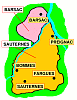
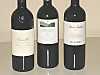
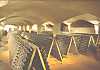
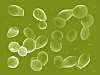
 Share this article