Wine Culture and Information since 2002 - Volume 22
Wine Culture and Information since 2002 - Volume 22 |
 |
× |
 DiWineTaste on Instagram
  DiWineTaste Mobile for Android
DiWineTaste Mobile for iOS
Become a Registered User
Subscribe to the Mailing List
Tell a Friend About DiWineTaste
Download DiWineTaste Card
DiWineTaste Mobile for Android
DiWineTaste Mobile for iOS
Become a Registered User
Subscribe to the Mailing List
Tell a Friend About DiWineTaste
Download DiWineTaste Card
|
Issue 51, April 2007 |
Contents |
|
|
A National Appellation Also in Italy? |
|
The decision of Spain and France about creating national appellations - Vignobles de France and Viñedos de España respectively - has been cause of many debates, not only in the countries where they are in force. In fact, there are many detractors against these decisions, as they believe such a “wide” appellation will not give benefits to the enological quality of the country and will be detrimental for current appellations as well. Many support the fact this way it will be possible - for example - to commercialize mediocre wines by taking advantage of an appellation which benefits of the name and prestige of a whole country. Others believe this decision will be useful for the competition against the enological productions from other emerging countries and that are getting more and more market shares everywhere in the world, in particular in Asian countries, in which the interest about the consumption of wine is continuously increasing. Supporters of national appellations also believe the “advantage” of making wines capable of expressing the quality of the same grape by the union of the characteristics of different areas, such as a wine with typical aromas of an area and the body of another. Italian producers, who in the last recent months have been successful in exporting their wines all over the world, by even surpassing countries like France, are considering the idea about creating a national appellation in order to contrast any possible “attack' from the countries which already issued them. Being in a strong position conquered by worldwide success for the export of Italian wine, producers of the boot are asking themselves how to keep this position, possibly conquering new market shares. The problem of how contrasting the competition of emerging wine countries, seems to be one of the most recurring subjects in Europe in recent times. The fear wines produced in the countries of the so called “New World” will get the upper hand over the consumption in the Old Continent, seems to be real and concrete. Countries having no significative history or tradition about wine making are in fact successful in producing quality wines and to even sell them to convenient prices. Of course, the consumer, in case he or she has to choose to buy between a good wine sold at a reasonable price and a wine sold as much as twice the same price, it is obvious what he or she will choose, at least in general terms. The recent decision of allowing also in Europe the use of wood chips in the production of wine is an example on how they are trying to find alternative and cheaper ways in order to limit costs and - maybe - prices. Now, besides wood chips, could also be issued national appellations, already issued in France and in Spain: two methods with the declared purpose of taking a commercial advantage. The idea of the French and the Spanish seems to arise some debates among Italian producers who are asking themselves about the chance of creating an Italian national appellation. Needless to say, there are both supporters and detractors. Some support the idea an “Italy” appellation could be useful to strengthen the position of Italian wine in the world, whereas others support the opinion a national appellation would be detrimental for the identity and quality of local appellations. There also are others who support a purely commercial point of view, as national appellations are already in force in France and in Spain - that is in the two main competitors of Italy in the international market - then it should be advisable to create a similar appellation in Italy in order to give a prompt “reply”. If we take a closer look at the wine and viticultural situation of Italy, a possible national appellation would be cause of pretty complicated and practical problems. If we consider, for example, French national appellation - Vignobles de France - it allows the production of a wine with grapes - the same grape - coming from many wine areas. This model could work with French autochthonous varieties, such as Merlot, Cabernet Sauvignon, Chardonnay and Sauvignon Blanc which are considered “international” in other countries of the world, but what would happen with autochthonous Italian varieties? How could it be possible to make, for example, an Italy IGT wine with Nebbiolo or with Corvina? Corvina is virtually found in Valpolicella only, whereas Nebbiolo is mainly found in Piedmont and in some areas in Lombardy, Vallée d'Aoste and - even more marginally - in Sardinia. The same could happen for other autochthonous grapes which are more common in the country, such as Sangiovese, mainly cultivated in Central Italy. By considering these facts, the only feasible alternative would be making Italy IGT wines with “international” grapes only, the only varieties present in every region. And this would be an incredible paradox: a wine triumphantly emphasizing in the label the Italy brand and made with grapes which are not Italian. What kind of image this would give to Italian wine in the world? A country, with an important and ancient wine making history, that in order to give an image of itself in the world use international varieties instead of autochthonous varieties of which Italy is rich and which indisputably represents Italian wine. Does this make any sense? Alternatively, they could start the cultivation of Italian varieties in every region of Italy as to begin the production, for example, of Italy IGT wines made of Nebbiolo, Corvina, Primitivo, Cannonau, Nero d'Avola, Aglianico and so on. Who knows whether this idea would be appreciated by producers of the regions in which these grapes are present since many centuries, represent those territories and identify them in a strong and unequivocal way. And who knows what consumers would think about this. Whoever makes wine and makes it for commercial purposes - no doubts about this - must make a profit as well. Whoever makes wine and from this business makes a profit, must necessarily compare the products with competition, both with producers of the same country, as well as with producers of other countries. How can it be possible, in order to contrast the effects of competition, must be used methods which would have the evident result of creating a preoccupying confusion? How can it be possible no one has ever thought about the negative effects which could be caused by a national appellation with a bad quality? In case a national appellation shows - with facts - to make mediocre or bad results, the whole credibility of the country would be affected as well. Whoever makes wine must necessarily consider profit and competition. There is no doubt about this. But, at what price? At the price of depriving each wine area of their identity, an identity which took years in order to get to present results? All that for the sake of competition? Maybe the problem must be sought somewhere else, also in the eternal problem of quality sold at the right price. Quality is not a factor depending on tradition, history or the name of a country: quality is a factor depending on the precise choices of producers. No one will pay a lot of money for something that, in the facts, has a lesser value than the price at which it is sold at. Not even in case in the label is written “Italy”, “France” or “Spain”.
|
||||
MailBox |
|
In this column are published our reader's mail. If you have any comment or any
question or just want to express your opinion about wine, send your letters to
our editorial or fill in
the form available at
our site.
|
| A dear friend of mine told me using a decanter for the oxygenation of a wine is not a good idea, as it introduces a high quantity of oxygen while compromising the organoleptic qualities of the wine. Is she right? |
| Yvette Annaud -- Paris (France) |
| The “dilemma” of decanting is pretty frequent and many wine lovers believe it is essential for aged wines only, whereas others use this operation in every wine, including white wines. The process of decanting indisputably favors the oxygenation of the wine, which, because of its flowing along the side, exposes a wide surface of contact with the air. A wine which has spent many years in the bottle - that is in a “reduced” environment offering few possibilities of contact with oxygen - develops aromas which are the result of their evolution. An excessive and sudden oxygenation could in fact “destroy” part of this slow and patient job of time. By considering the good availability of glasses in the market, which have now reached very high “technical” levels, it is better to directly serve the wine in the glass and to favor a lesser “violent” oxygenation by swirling it for few seconds. The decanter is however indispensable in case the bottle shows some sediment, in this case the operation of decanting allows the separation of the limpid part of wine by leaving in the bottle the deposit produced in the course of time. |
| I frequently read in wine reviews about aromas which, according to my opinion, are more the result of taster's fantasy instead of reality, such as aromas of tobacco, leather, hay or animal hints. Concerning this matter, I would like to know your opinion. Is it possible in a wine are found such aromas or it is the fantasy a taster uses in his or her description? |
| Aldo Cavanna -- Milan (Italy) |
| Sensorial and analytical tasting of a wine certainly is a complex task - although not impossible - requiring practice, experience and commitment. Concerning this aspect, it should be noticed a complete and precise description of a wine is however difficult, as the subjectivity of the taster plays a role. Everyone has sensorial capabilities for the tasting of a wine, saved the case of particular and however rare pathologies limiting their functionality. Without giving any opinion about descriptions, or suggestions, tasters use for wines, it should be noticed the perception of aromas in a wine is done by “analogy”, that is by associating a specific olfactory sensation perceived in the glass with the analogous aromas characterizing certain essences, such as the ones of flowers and fruits. It is undeniable the aging of a wine in the bottle - that is in a “reduced” environment - will develop with time aromatic qualities which are totally absent in the same young wine. This aging will tend to develop very complex aromas that, for analogy, are associated to the aromatic sensations not found in the world of fruit and flowers, such as leather or animal hints. Laboratory analysis, which cannot certainly be defined as the result of “fantasy”, confirms the presence in the wine of the same aromatic molecules found in the aromas described by “analogy” by tasters. It is however indisputable in the task of tasting, in particular group tasting, suggestion plays a “critical” role. It has been widely proven that, for example, in case one of the tasters in a group declares the perception in a wine of a specific aroma, it is very likely also other tasters, because of the suggestion, will perceive the same aroma in that wine. For this reason, in tasting done by a group, it is required silence, both for the respect of the job done by others, as well as not negatively influencing their reliability. |
ApuliaPrimitivo, Negroamaro and Uva di Troia are just three of the grapes which have contributed to the rebirth of Apulian enology, a success made of red wines and a lot of sun |
|
The bond Apulia has with wine, and therefore with the vine, has very ancient origins, a bond which has always characterized - together with olive oil and olive trees - the culture and the tradition of this region. Wine production in Apulia is - in terms of quantity - among the first ones in Italy, a characteristic which made the region become the “wine tank”, not only of Italy, but also of Europe. For many years the wine from Apulia was shipped to the north and to the other Italian regions, as well as to some areas of Europe, in order to be used for the blending with local wines, therefore giving color, body and alcohol. In recent years - finally - the enological situation of Apulia is changing, finally aware of the great wine potentials of the region, Apulian producers are now focusing on quality production. After all, Apulia is rich of autochthonous grapes having great potentials, such as Negroamaro, Primitivo and Uva di Troia, which in the last years have become more and more popular, therefore contributing the the rebirth of Apulian wines.
The history of vine in Apulia has very ancient origins and it is believed this plant has always been present in the territory of the region. Vine was probably present in Apulia before the times of Greek colonization - in the eighth century BC - however some of the varieties today considered autochthonous of this region were introduced by ancient Greeks, such as Negroamaro and Uva di Troia. From Greece was also introduced the “alberello” cultivation method, the most common one in Apulia. With the advent of the dominion of ancient Romans - after the victory against Pyrrho in 275 BC - the production and trading of wine were particularly vivid and wines from Apulia begun to be found - as well as appreciated - in the tables of Rome. In his monumental work Naturalis Historia, Pliny the Elder, in listing the varieties of Greek grapes, mentioned in Apulia were present Malvasia Nera di Brindisi and Lecce, Negroamaro and Uva di Troia. Pliny the Elder, Livy and Tibullus have left witnesses in their writings about the techniques used for the cultivation of the vine and the production of wine in Apulia at the times of ancient Romans, also praising - in particular - color, aromas and taste of Apulian wines. Pliny the Elder defined Manduria - the most representative territory for the production of Primitivo in Apulia - as viticulosae, that is “full of vines”. Manduria was not the only place to deserve the name viticulosae: also Mesagne, Aletium (Alezio) and Sava were defined with the same name by other authors. Other illustrious authors of those times - such as Martial - praised in their writings the quality of Apulian wines. With the construction of the seaport of Brindisi - in 244 BC - the trade of Apulian wine has a very flourishing period and Taranto, in order to facilitate shipping, was keeping huge quantities of wine in specific cellars dug in the rocks along the coast. Since those times Apulia become an important “deposit” of wine, a land which will made of wine, and of olive oil, two products strongly associated to its tradition and culture. However the bond with wine will be characterized by huge quantities instead of quality. Despite of this, quality wine will leave a indelible mark in the culture of Apulia: from merum, which in Latin language means “pure wine” or “genuine wine”, derives in fact the term mjere, which in Apulian dialect means “wine”. After the fall of the Roman empire, viticulture and wine production in Apulia faced a period of crisis and it will be only because of the job of monasteries and monks the two activities will be kept and continued to characterize Apulia. In the Middle Age, Apulia is still known to produce huge quantities of wine: it is not by chance Dante Alighieri, in his verses, described Apulia as «a beautiful land where the sun becomes wine». The importance and development of viticulture and wine production was well understood by Frederick II who - despite he was an abstainer - he ordered to plant thousands of vines in the area of Castel del Monte, by importing plants from the neighboring Campania. The wine gets a strategical role for Apulian economy and, in 1362, Giovanna I d'Angiò issues a law which forbade the introduction of wine in the territory produced outside the borders of the region. It will be only in the Renaissance wines from Apulia become more and more popular in other Italian areas and in some French areas, Apulian wines are found in the tables of nobles. Andrea Bacci, one of the most renowned wine authors of those times, mentioned in his work De naturali vinorum historia that in the areas of Lecce, Brindisi and Bari are being produced wines of “very good quality”, whereas as for the red from Foggia and of Gargano he will write they are wines of “average strength however genuine in their substance as they can be kept even for three years and also more”. According to Andrea Bacci, the best wines of Apulia at those times were the ones produced in Manfredonia. In later times - in the 1700s and 1800s - Apulia will be still characterized by the production of huge quantities of wines, never for its quality, and the excessive production becomes a serious problem, although representing a profit. When phylloxera arrived in the vineyards of north Italy and in Europe, the huge quantities of wine produced in Apulia were useful in diminishing the effects of this flagella, also arriving in France to fill the glasses of transalpine countries, when the production was not enough to satisfy local demand. The delay of phylloxera will favor the arrive of French businessmen in Apulia who here started making wine and exported it in France, Germany and Austria. When phylloxera finally arrive in Apulia, it will determine the fall of what seemed to be the rebirth of Apulian enology. In the following years, when everyone was trying to recover Apulian enology, in the region will be introduced other grape varieties which will progressively replace local ones and the advent of social wineries will favor a massive production of wine without any quality criteria. The production of Apulia will be mainly focused on wines destined to blending, destined to give body and color to the production of other areas in Italy and in Europe. In the years following World War Two, some stubborn and significative producers will begin to concentrate their efforts in quality, however it will be only in the 1990s, when Apulian producers will become aware of the wine making potentials of the regions and, last but not the least, from wineries coming from other regions of Italy.
|
||||||||||||
|
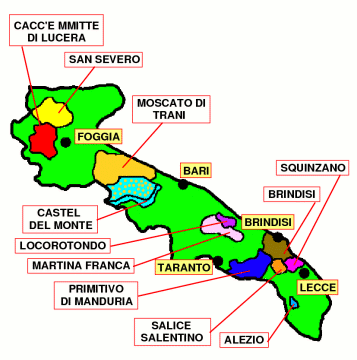
Wines of Apulia are classified according to the quality system in use in Italy. The lowest rank is reserved to Vini da Tavola (Table Wines), followed by Indicazione Geografica Tipica (IGT, Geographical Typical Indication), then Denominazione d'Origine Controllata (DOC, Denomination of Controlled Origin) and finally Denominazione d'Origine Controllata e Garantita (DOCG, Denomination of Controlled and Guaranteed Origin), the highest rank in this system. No wine area of Apulia is classified as DOCG, however in the region are defined 25 Denomination of Controlled Origin areas and precisely: Aleatico di Puglia, Alezio, Brindisi, Cacc'e Mmitte di Lucera, Castel del Monte, Copertino, Galatina, Gioia del Colle, Gravina, Leverano, Lizzano, Locorotondo, Martina o Martina Franca, Matino, Moscato di Trani, Nardò, Orta Nova, Ostuni, Primitivo di Manduria, Rosso Barletta, Rosso di Canosa, Rosso di Cerignola, Salice Salentino, San Severo and Squinzano.
|
|
Vine and olive trees are the two plants which mainly characterize the landscapes of Apulia. In this region the wine is virtually produced everywhere, not only a resource associated to the tradition and culture of these places, but also an important economic resource. Wine production of Apulia is influenced by an extremely particular climate and by the quantity of sun rays the soil receives in the course of the year: Apulia is in fact among the most sunny regions of Italy and Europe. Ideally located in the “heel of the boot” of Italian peninsula, Apulian climate is influenced by the effects of the sea: the region is surrounded by more than 800 kilometers of sea coasts (about 500 miles) and the coasts of Ionian sea and Adriatic sea are divided by an average distance of 50 kilometers (about 30 miles). And then there is the sun, a lot of sun like in no other place of Italy, capable of reaching, in summertime, temperatures of 45° C (113° F). Alberello is the most common viticultural method in Apulia as it allows the vine to better benefit from the resources of the soil - including water - therefore improving the quality of grapes and of wine. The wines mainly representing Apulia are reds and roses, however in the region are also produced interesting white wines, also with autochthonous grapes. The most common white grapes in Apulia are: Bombino Bianco, Malvasia Bianca, Verdeca, Fiano, Bianco d'Alessano, Muscat Blanc and Pampanuto. The case of Chardonnay is pretty singular because - despite it is a grape having no historical connection with Apulia - it is, as a matter of fact, the most common and cultivated white berried grape of the region. The most common red berried grapes in Apulia are: Negroamaro, Primitivo, Uva di Troia, Malvasia Nera, Montepulciano, Sangiovese, Aglianico, Aleatico, Bombino Nero, Susumaniello and Ottavianello, name with which it is known in the region the Cinsaut grape. In Apulia are also cultivated international varieties, in particular Merlot and Cabernet Sauvignon. Despite of this ampelographic richness, Apulia is mainly famous for three grapes: Negroamaro, Primitivo and Uva di Troia, each of them being characteristic of specific areas. In the south part of the region - the Salento area - the most common grape is Negroamaro, the central part is the land of Primitivo, whereas Uva di Troia is the most common grape in the northern areas.
|
|
Among the most representative wines of Apulia, the ones produced in the Salento area, and in particular in the wine area of Salice Salentino, are among the most famous ones. The wine area of Salice Salentino takes its name from the homonymous city in the province of Lecce, and here wine production is mainly about reds and roses. Salento is one of the most important wine areas of Italy for the production of rose wines and it is right in this area was bottled, in 1943, the first rose wine of Italy: the renowned Five Roses of Leone de Castris. Red and rose wines belonging to the Salice Salentino DOC area are produced with Negroamaro - the real protagonist of vineyards in Salento - and Malvasia Nera. In the Salice Salentino area are also produced two white wines: Salice Salentino Bianco - mainly made from Chardonnay grape - and Salice Salentino Pinot Bianco. Another interesting wine is the Salice Salentino Aleatico, produced in the sweet and fortified styles, in which can be added small quantities of Negroamaro, Malvasia Nera and Primitivo grapes.
|
|
Primitivo is the most common grape of the central part of Apulia and with which is produced the famous Primitivo di Manduria, one of the most famous DOC areas of this region. Despite today Primitivo is considered one of the many autochthonous grapes of Apulia, it is believed this varieties is genetically similar to Plavac Mali, a grape from Dalmatia and which is also known in California as Zinfandel. It is very likely Primitivo was introduced in Apulia in the 1700s and it takes its name from the fact it tends to ripe in advance than the other varieties. For this reason it was called primativus - or primaticcio - from which derived the modern Primitivo. The famous wine of Manduria - which is also among the most famous wines of Apulia - is produced with 100% Primitivo aged in cask or in barrique. Primitivo di Manduria is also produced in the dolce naturale (naturally sweet) and liquoroso (fortified) style, the latter being produced in the sweet and dry styles.
|
|
Going towards the northern part of the region, in vineyards is mainly found Uva di Troia - also known as Nero di Troia - the main variety in the Cacc'e Mmitte di Lucera DOC wines. Uva di Troia is also used alone for the production of interesting red wines. Despite Apulia is mainly known for its red wines, in this region are also produced white wines and some denomination of controlled origin areas make this style of wine only. It is the case of Locorotondo and Martina Franca areas - both produced with Verdeca and Bianco d'Alessano grapes - and Gravina, whose wines are produced with Malvasia del Chianti, Greco Bianco and Bianco d'Alessano. Among the white wines is mentioned Moscato di Trani, a sweet wine produced with Muscat Blanc. Among other DOC areas of Apulia are mentioned Alezio, Brindisi, Castel del Monte, Copertino, Gioia del Colle, Gravina, Ostuni, San Severo and Squinzano. Finally, of particular interest, are the wines belonging to the Salento IGT appellation, in particular the wines produced with Negroamaro and Primitivo grapes.
|
Comparing SyrahTypical in the Rhône Valley, Syrah is a grape capable of making great red wines, both alone as well as blended to other grapes, recognizable for its aroma of black pepper |
|
Syrah is the most common grape of Rhône Valley, France. Despite its origin is, for many aspects, uncertain - some in fact believe it is from the Middle East - reliable information suggest with this grape were produced wines in the Rhône Valley since the times of ancient Romans. Syrah followed the same destiny of other French grapes - today defined “international”, however French - and from the Rhône Valley it spread in all the wine countries of the world, sometimes changing its name in Shiraz, such as in case of Australia and South Africa. The name Shiraz is sometimes used in other countries as well, such as Italy, however Syrah or Shiraz refer to the very same grape. Despite it is the typical grape of red wines in Rhône Valley, Syrah is frequently associated to the wines produced in Australia, probably introduced in 1832 and that in this country showed since then excellent productive potentials. Syrah is mainly used for the production of mono varietal wines, however its use is frequent for the production of blended wines as well, therefore contributing to the body and aromatic profile of the wine. Frequently used with other French grapes - in particular Cabernet Sauvignon and Merlot - Syrah is also vinified with the local varieties found in the countries in which it is present, such as - in case of Italy - Sangiovese, Nero d'Avola, Corvina and Barbera. Despite the production of Australia makes very interesting wines with Syrah, this grape is mainly associated to the red wines of Rhône Valley, in particular the ones from the appellations of Cornas, Côte-Rôtie, Crozes-Hermitage, Hermitage and Saint-Joseph. As for Australian Syrah - or Shiraz - the best ones are from the areas of Barossa, Coonawarra and Hunter Valley. In the rest of the world, Syrah is common in South Africa - where it is known as Shiraz - and its spreading is becoming more and more important in Italy and California as well.
|
|
Wines produced with Syrah - including the ones produced with the blending of many grapes - can be recognized by the typical organoleptic qualities, in particular, in the aromatic profile. Among the many aromas which can be found in Syrah, the ones being more frequently associated to this grape are plum and black currant, however Syrah is mainly famous for the unmistakable aroma of black pepper. The intensity and cleanliness of black pepper aroma in Syrah depend on the vinification techniques, in particular the type of cask and the type of wood used for aging. Thanks to its qualities, wines produced with Syrah are characterized by a good body - most of the time having a full body as well - a quality which is accentuated with the use of cask which in turn contributes to “smooth” the harshness of the tannins found in this grape. Despite the most common aging technique used for Syrah is the cask or barrique, in some cases producers choose inert containers, such as steel tanks.
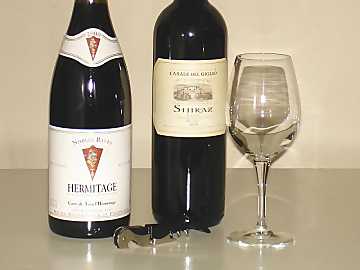
The goal of our comparative tasting is to understand the organoleptic qualities of Syrah by evaluating three mono varietal wines coming from three different areas. Besides the different area of production, the three Syrah wines of our tasting have been aged for different periods, although in all the three cases the container used for aging was the barrique. The first wine of our comparative tasting is Casale del Giglio's Shiraz, produced in the area of Latina and aged for some months in barrique. The second wine selected for the tasting is Spadafora's Sole dei Padri produced in Sicily and aged for 12 months in barrique. The last wine is from the Rhône Valley, France: Cave de Tain l'Hermitage's Hermitage Rouge Nobles Rives, aged for 18 months in barrique. The wines of the tasting will be served at a temperature of 18° C (65° F) and, as usual, we will use three ISO tasting glasses.
|
||||||||
|
Syrah is a grape with a high content in coloring substances, therefore its wines will tend to show pretty intense and deep colors, as well as a pretty limited transparency. Color and transparency, just like any other grape or wine, are strongly affected by cultural yields, quality of the grape and vinification techniques. Wines produced with Syrah grapes harvested in vineyards with low yields will always show a deep ruby red color and a very low transparency, frequently impenetrable to light. During the first years, these wines will show purple red nuances, a characteristic that quality Syrah wines will usually keep for some years. With time and aging in bottle, Syrah wines will follow the development usually observed in red wines. After some years, the ruby red color will become garnet red and then brick red, whereas nuances, from purple red, will get a ruby red color and then garnet red, finally brick red. The first wine of which we will evaluate aspect is Casale del Giglio's Shiraz. By holding the glass tilted over a white surface, we will observe, at the base of the liquid mass, the color. It will be observed an intense ruby red color and a pretty limited transparency, because of the content of coloring substances in Syrah. The nuance of this wine, observed at the opening of the glass and still held in a tilted position, will show a ruby red color. let's now pass to the evaluation of the second wine: Spadafora's Sole dei Padri. The wine shows, when observed by holding the glass tilted, an intense ruby red color and nuances of garnet red. Also in this case transparency will be very low, even lower than the previous wine. Let's now pass to the third wine of our comparative tasting: Cave de Tain l'Hermitage's Hermitage Rouge Nobles Rives. Just like the previous wines, also in this case will be observed an intense ruby red color, garnet red nuances and a pretty limited transparency.
|
|
Syrah is used both for the production of mono varietal wines as well as for the production of blended wines with many grapes. Also in case of blended wines, olfactory qualities of Syrah are always well perceptible, in particular black currant and, frequently, the aroma of black pepper. Despite Syrah is frequently associated to the aroma of black pepper - a quality which is however found in other grapes as well - this not, of course, its only olfactory quality. Typical aromas in Syrah directly recalls the ones of fruits - in particular black berried fruits - such as plum, black cherry, black currant, blueberry and blackberry. The world of flowers is mainly represented in Syrah by the aroma of violet. Syrah is a grape rich in polyphenols, therefore the most frequent vinification technique used for this grape is the cask or the barrique. The aging in wood, together with the aging in bottle - which in case of Syrah can also be of more than ten years - wines produced with this grape will also develop tertiary aromas. Among the many are mentioned vanilla, licorice, tobacco, black pepper, chocolate, cocoa and leather, as well as balsamic aromas of eucalyptus and menthol. We will begin the olfactory evaluation of the three wines from Casale del Giglio's Shiraz. By holding the glass in vertical position and without swirling, we will analyze opening aromas, made of aromatic substances whose molecules require a little of oxygen in order to volatilize. The first smell will reveal aromas of black cherry, plum and black currant, three typical fruit aromas in Syrah and that are however common in other grapes as well, such as Cabernet Sauvignon and Merlot. After having swirled the glass, in order to favor the volatilization of aromatic substances made of “heavy” molecules, we will proceed with the second smell. It will be perceived aromas of blueberry, violet, pomegranate, as well as hints of vanilla, carob and the typical aroma of black pepper, not very evident in this wine but however perceptible. Let's now pass to the second wine of our comparative tasting, Spadafora's Sole dei Padri, which, as opposed to the previous wine, ages in barrique for a longer time. By holding the glass in vertical position and without swirling, we will proceed with the first smell in order to evaluate opening aromas. The aromas which will be perceived from the glass are black cherry, plum and black currant: an opening similar to the previous wine, however announcing a higher complexity. After having swirled the glass, we will proceed with the second smell, from which will be perceived aromas of blueberry, blackberry and violet followed by vanilla, licorice, cocoa and black pepper, as well as a pleasing balsamic sensations of eucalyptus. As opposed to the previous wine, Sole dei Padri is characterized by a higher complexity, mainly because of a longer aging in barrique which, among the other things, emphasizes the aroma of black pepper. Let's now pass to the third wine of our comparative tasting: Cave de Tain l'Hermitage's Hermitage Rouge Nobles Rives. Opening aromas of this wine will be characterized by black cherry and plum as well as a clear aroma of black pepper, in this wine more evident than the previous ones. The second smell, after having swirled the glass, will complete the olfactory profile of this Hermitage with the aromas of blueberry, blackberry, tobacco, vanilla, licorice and chocolate.
|
||||
|
The content in polyphenols found in Syrah is pretty high, therefore its wines - besides showing pretty intense colors and low transparency - are characterized by a good body, frequently robust as well. The high content in polyphenols - and therefore in tannins - makes Syrah pretty suited for the vinification in cask, more frequently in barrique, giving the wine a higher roundness and, at the same time, increasing the body. The high content in polyphenols - both the ones found in the grape as well as the ones passed from cask - require a proper quantity of alcohol in order to ensure the wine a right balance. Wines produced with Syrah generally have an average alcohol by volume of 13.5%, a characteristic which also contributes to the longevity of wine. The attack of Syrah wines is generally characterized by a pretty evident astringency - caused by tannins - therefore the perception of body will be evident. Also the burning sensation of alcohol will be evident, which will balance the effect of tannins. The first wine we will examine is Casale del Giglio's Shiraz. The attack of this wine is characterized by a perceptible astringency which will be well balanced by the presence of alcohol. It should be noticed the good body of the wine and the intensity of flavors, well correspondent to the aromas perceived to the nose. Let's now pass to the evaluation of the second wine: Spadafora's Sole dei Padri. The attack of this Syrah will be characterized by a higher astringency than the previous wine, however having a pleasing roundness, also because of the higher content in alcohol and the longer aging in barrique. Also in this case, the correspondence to the nose is very good. Finally, let's pass to the evaluation of the third wine: Cave de Tain l'Hermitage's Hermitage Rouge Nobles Rives. Also in this wine the attack will be characterized by an evident astringent sensation caused by tannins, however this sensation will be rapidly replaced by alcohol, making the wine balanced and round. Just like the previous wines, also in this Hermitage the correspondence to the nose is very good.
|
|
After having completed the three main phases of our comparative tasting, let's now taste once again the three wines in order to evaluate their taste-olfactory persistence. The finish of Casale del Giglio's Shiraz is persistent, leaving in the mouth pleasing flavors of black cherry, plum and black currant: a typical finish for wines produced with Syrah. Also the finish of the second wine - Spadafora's Sole dei Padri - is persistent, leaving in the mouth, besides a sensation of higher body than the previous wine, pleasing flavors of black cherry, plum, black currant and blueberry. The finish of the last wine, Cave de Tain l'Hermitage's Hermitage Rouge Nobles Rives, is persistent with clean flavors of black cherry, plum, blueberry and black currant. In all the three wines should be noticed how the aging in wood is very balanced with the organoleptic qualities - both olfactory as well as gustatory - giving the wines a pleasing roundness and a sensation of lesser harshness of tannins.
|
Wines of the Month |
|
|
Score legend Fair Pretty Good Good Very Good Excellent Fair Pretty Good Good Very Good Excellent Wine that excels in its category Wine that excels in its category Good value wine Good value winePrices are to be considered as indicative. Prices may vary according to the country or the shop where wines are bought |
|
|
Prosecco di Valdobbiadene Extra Dry Rù |
|
| Bortolin (Veneto, Italy) | |
| Grapes: Prosecco | |
| Price: € 8.80 | Score: |
| This Prosecco di Valdobbiadene shows an pale straw yellow color and nuances of greenish yellow, very transparent, fine and persistent perlage. The nose denotes intense, clean, pleasing and refined aromas that start with hints of pear, apple and pineapple followed by aromas of hawthorn, wistaria, broom, peach and plum. The mouth has good correspondence to the nose, an effervescent and crisp attack, however balanced by alcohol, good body, intense flavors. The finish is persistent with flavors of pear, apple and plum. | |
| Food Match: Fish appetizers, Fried fish, Pasta and risotto with fish and vegetables | |
|
|
Prosecco di Valdobbiadene Superiore di Cartizze Dry |
|
| Bortolin (Veneto, Italy) | |
| Grapes: Prosecco | |
| Price: € 11.50 | Score: |
| This Prosecco di Valdobbiadene Cartizze shows a pale straw yellow color and nuances of greenish yellow, very transparent, fine and persistent perlage. The nose reveals intense, clean, pleasing and refined aromas that start with hints of pear, apple and peach followed by aromas of pineapple, broom, wistaria, lemon grass and hawthorn. The mouth has good correspondence to the nose, an effervescent and crisp attack, however balanced by alcohol, light body, intense flavors. The finish is persistent with flavors of pear, apple and peach. | |
| Food Match: Aperitifs, Vegetables and crustaceans appetizers, Pasta and risotto with vegetables and fish | |
|
|
Roero Arneis Boneur 2006 |
|
| Cascina Pellerino (Piedmont, Italy) | |
| Grapes: Arneis | |
| Price: € 7.00 | Score: |
| The wine shows an intense greenish yellow color and nuances of greenish yellow, very transparent. The nose denotes intense, clean, pleasing and refined aromas which start with hints of banana, acacia and peach followed by aromas of apple, hazelnut, grapefruit, pear, pineapple and litchi. The mouth has good correspondence to the nose, a crisp attack and however balanced by alcohol, good body, intense flavors, agreeable. The finish is persistent with flavors of banana, pineapple and peach. Roero Arneis Boneur ages in steel tanks. | |
| Food Match: Fried fish, Pasta and risotto with fish and crustaceans, Broiled crustaceans | |
|
|
Barbera d'Alba Gran Madre 2003 |
|
| Cascina Pellerino (Piedmont, Italy) | |
| Grapes: Barbera | |
| Price: € 16.00 | Score: |
| The wine shows an intense ruby red color and nuances of ruby red, moderate transparency. The nose denotes intense, clean, pleasing and refined aromas which start with hints of cherry and plum followed by aromas of violet, raspberry, blueberry, vanilla, cocoa, cinnamon and menthol. The mouth has good correspondence to the nose, a tannic attack and however balanced by alcohol, good body, intense flavors. The finish is persistent with flavors of cherry, plum and raspberry. This Barbera ages for 24 months in barrique. | |
| Food Match: Broiled meat and barbecue, Roasted meat, Braised and stewed meat, Hard cheese | |
|
|
Morellino di Scansano Riserva Ciabatta 2004 |
|
| Erik Banti (Tuscany, Italy) | |
| Grapes: Sangiovese | |
| Price: € 19.00 | Score: |
| The wine shows an intense ruby red color and nuances of ruby red, moderate transparency. The nose denotes intense, clean, pleasing and refined aromas which start with hints of black cherry, plum and violet followed by aromas of blueberry, raspberry, vanilla, blackberry, pink pepper, carob and menthol. The mouth has good correspondence to the nose, a tannic attack and however balanced by alcohol, good body, intense flavors. The finish is persistent with flavors of black cherry, plum and raspberry. This wine ages for 13 months in cask. | |
| Food Match: Broiled meat and barbecue, Roasted meat, Stewed meat | |
|
|
Poggio Maestrino Annosesto 2004 |
|
| Erik Banti (Tuscany, Italy) | |
| Grapes: Sangiovese Grosso (60%), Merlot (30%), Cabernet Sauvignon (10%) | |
| Price: € 25.00 | Score: |
| Poggio Maestrino Annosesto shows an intense ruby red color and nuances of garnet red, little transparency. The nose reveals intense, clean, pleasing and refined aromas that start with hints of plum and black cherry followed by aromas of violet, vanilla, blueberry, tobacco, chocolate, cinnamon, licorice, menthol and mushrooms. The mouth has good correspondence to the nose, a tannic attack and however balanced by alcohol, good body, intense flavors. The finish is persistent with flavors of plum and black cherry. This wine ages for about 1 year in steel tanks followed by 16 months of aging in barrique. | |
| Food Match: Roasted meat, Stewed and braised meat, Hard cheese | |
|
|
Oltrepo Pavese Rosso Monplò 2003 |
|
| Isimbarda (Lombardy, Italy) | |
| Grapes: Barbera (70%), Croatina, Moradella, Vespolina, Uva Rara (30%) | |
| Price: € 7.70 | Score: |
| This wine shows a brilliant ruby red color and nuances of ruby red, moderate transparency. The nose reveals intense, clean, pleasing and refined aromas which start with hints of black cherry, raspberry and plum followed by aromas of blueberry, violet, vanilla and cocoa. The mouth has good correspondence to the nose, a slightly tannic attack and pleasing crispness, however balanced by alcohol, good body, intense flavors. The finish is persistent with flavors of black cherry and blueberry. Oltrepo Pavese Rosso Monplò ages for some months in cask. | |
| Food Match: Broiled meat and barbecue, Roasted meat, Stewed meat | |
|
|
Oltrepo Pavese Rosso Riserva Montezavo 2003 |
|
| Isimbarda (Lombardy, Italy) | |
| Grapes: Barbera (70%), Croatina, Moradella, Vespolina, Uva Rara (30%) | |
| Price: € 9.50 | Score: |
| This wine shows a brilliant ruby red color and nuances of ruby red, moderate transparency. The nose reveals intense, clean, pleasing and refined aromas that start with hints of black cherry, plum and raspberry followed by aromas of violet, vanilla, strawberry, blueberry, tobacco, chocolate and menthol. The mouth has good correspondence to the nose, a tannic attack and however balanced by alcohol, good body, intense flavors. The finish is persistent with flavors of black cherry, plum and blueberry. This wine ages for 12-18 months in barrique followed by 8-12 months of aging in bottle. | |
| Food Match: Roasted meat, Braised and stewed meat, Hard cheese | |
|
|
Barbera d'Asti Vigna del Salice 2003 |
|
| Franco Mondo (Piedmont, Italy) | |
| Grapes: Barbera | |
| Price: € 7.00 | Score: |
| This Barbera shows a brilliant ruby red color and nuances of ruby red, moderate transparency. The nose denotes intense, clean and pleasing aromas that start with hints of black cherry, plum and violet followed by aromas of blueberry, pink pepper and menthol. The mouth has good correspondence to the nose, a tannic attack and pleasing crispness, however balanced by alcohol, good body, intense flavors. The finish is persistent with flavors of black cherry, plum and blueberry. Barbera d'Asti Vigna del Salice ages for 7-8 months in steel tanks followed by an aging of 6 months in bottle. | |
| Food Match: Broiled meat and barbecue, Roasted meat, Braised meat | |
|
|
Barbera d'Asti Superiore Nizza Vigna delle Rose 2003 |
|
| Franco Mondo (Piedmont, Italy) | |
| Grapes: Barbera | |
| Price: € 12.00 | Score: |
| This Barbera shows an intense ruby red color and nuances of ruby red, little transparency. The nose reveals intense, clean, pleasing and refined aromas that start with hints of black cherry, plum and blueberry followed by aromas of violet, vanilla, tobacco, cinnamon, cocoa and menthol. The mouth has good correspondence to the nose, a tannic attack and however balanced by alcohol, good body, intense flavors. The finish is persistent with flavors of black cherry, plum and blueberry. This Barbera ages for some months in barrique. | |
| Food Match: Broiled meat and barbecue, Roasted meat, Stewed meat | |
|
|
Cirò Rosso Classico Superiore Riserva Piana della Fate 2001 |
|
| Enotria (Calabria, Italy) | |
| Grapes: Gaglioppo | |
| Price: € 18.00 | Score: |
| The wine shows a brilliant ruby red color and nuances of brick red, moderate transparency. The nose reveals intense, clean, pleasing and refined aromas that start with hints of plum, black berry and carob followed by aromas of raspberry jam, vanilla, dried violet, tobacco, licorice, toffee and menthol. The mouth has good correspondence to the nose, a tannic attack and however balanced by alcohol, good body, intense flavors. The finish is persistent with flavors of plum and black cherry. This wine ages for at least one year in barrique. | |
| Food Match: Roasted meat, Braised and stewed meat, Hard cheese | |
|
|
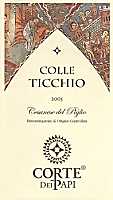
Cesanese del Piglio Colle Ticchio 2005 |
|
| Colletonno (Latium, Italy) | |
| Grapes: Cesanese | |
| Price: € 9.00 | Score: |
| This wine shows a brilliant ruby red color and nuances of ruby red, moderate transparency. The nose denotes intense, clean and pleasing aromas which start with hints of black cherry, raspberry and cyclamen followed by aromas of blueberry, strawberry and plum. The mouth has good correspondence to the nose, a slightly tannic attack and however balanced by alcohol, good body, intense flavors. The finish is pretty persistent with flavors of black cherry and raspberry. This wine ages in part in steel tanks and in part in cask. | |
| Food Match: Sauteed meat, Pasta with meat | |
|
|
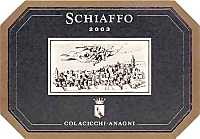
Schiaffo 2003 |
|
| Colacicchi (Latium, Italy) | |
| Grapes: Cabernet Sauvignon (45%), Merlot (35%), Cesanese d'Affile (20%) | |
| Price: € 10.80 | Score: |
| Schiaffo shows an intense ruby red color and nuances of ruby red, moderate transparency. The nose denotes intense, clean, pleasing and refined aromas which start with hints of black cherry, plum and black currant followed by aromas of violet, cyclamen, blueberry, raspberry and bell pepper. The mouth has good correspondence to the nose, a slightly tannic attack and however balanced by alcohol, good body, intense flavors. The finish is persistent with flavors of black cherry and black currant. Schiaffo ages in steel tanks. | |
| Food Match: Broiled meat and barbecue, Roasted meat, Stewed meat | |
|
|
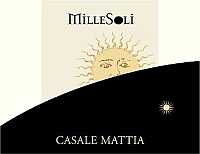
MilleSoli 2004 |
|
| Casale Mattia (Latium, Italy) | |
| Grapes: Sangiovese, Montepulciano | |
| Price: € 8.00 | Score: |
| MilleSoli shows an intense ruby red color and nuances of ruby red, little transparency. The nose denotes intense, clean and pleasing aromas which start with hints of plum and black cherry followed by aromas of violet, vanilla, carob and tobacco. The mouth has good correspondence to the nose, a tannic attack and however balanced by alcohol, good body, intense flavors. The finish is persistent with flavors of plum and black cherry. MilleSoli ages in cask for 2 years. | |
| Food Match: Roasted meat, Braised and stewed meat with mushrooms | |
|
|
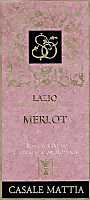
Merlot Linea Storica 2004 |
|
| Casale Mattia (Latium, Italy) | |
| Grapes: Merlot | |
| Price: € 10.00 | Score: |
| This Merlot shows an intense ruby red color and nuances of garnet red, little transparency. The nose denotes intense, clean and pleasing aromas that start with hints of black cherry and plum followed by aromas of blueberry, vanilla, tobacco, carob and menthol. The mouth has good correspondence to the nose, a slightly tannic attack and however balanced by alcohol, good body, intense flavors. The finish is persistent with flavors of black cherry and plum. This Merlot ages for 12 months in barrique. | |
| Food Match: Roasted meat, Braised and stewed meat, Hard cheese | |
|
|
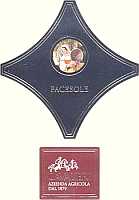
Facesole 2005 |
|
| Cavalieri (Latium, Italy) | |
| Grapes: Cesanese, Montepulciano, Cabernet Sauvignon | |
| Price: € 4.95 | Score: |
| Facesole shows a brilliant ruby red color and nuances of ruby red, moderate transparency. The nose denotes intense, clean and pleasing aromas which start with hints of cherry, raspberry and blueberry followed by aromas of strawberry, cyclamen and plum. The mouth has good correspondence to the nose, a slightly tannic attack and however balanced by alcohol, good body, intense flavors. The finish is persistent with flavors of cherry and raspberry. Facesole ages in steel tanks. | |
| Food Match: Stuffed pasta, Sauteed meat | |
|
|
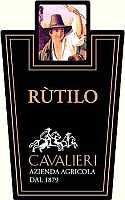
Rutilo 2004 |
|
| Cavalieri (Latium, Italy) | |
| Grapes: Cesanese, Cabernet Sauvignon, Montepulciano | |
| Price: € 9.20 | Score: |
| Rutilo shows a brilliant ruby red color and nuances of ruby red, moderate transparency. The nose reveals intense, clean, pleasing and refined aromas that start with hints of black cherry, plum and black cherry followed by aromas of raspberry, violet, vanilla, tobacco, cinnamon and carob. The mouth has good correspondence to the nose, a tannic attack and however balanced by alcohol, good body, intense flavors. The finish is persistent with flavors of black cherry and plum. Rutilo ages for 12 months in cask followed by 3 months of aging in bottle. | |
| Food Match: Broiled meat and barbecue, Roasted meat, Stewed meat | |
|
|
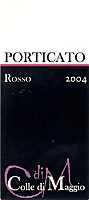
Porticato 2004 |
|
| Colle di Maggio (Latium, Italy) | |
| Grapes: Merlot, Cabernet Sauvignon | |
| Price: € 6.50 | Score: |
| Porticato shows an intense ruby red color and nuances of ruby red, little transparency. The nose denotes intense, clean, pleasing and refined aromas which start with hints of black cherry, plum and black currant followed by aromas of violet, vanilla, tobacco, carob and menthol. The mouth has good correspondence to the nose, a tannic attack and however balanced by alcohol, good body, intense flavors. The finish is persistent with flavors of black cherry, plum and black currant. Porticato ages for 12 months in cask followed by 6 months of aging in bottle. | |
| Food Match: Broiled meat and barbecue, Roasted meat, Stewed meat | |
|
|
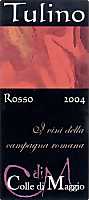
Tulino 2004 |
|
| Colle di Maggio (Latium, Italy) | |
| Grapes: Syrah | |
| Price: € 11.50 | Score: |
| Tulino shows a brilliant ruby red color and nuances of ruby red, moderate transparency. The nose denotes intense, clean, pleasing and refined aromas that start with hints of black cherry, plum and black currant followed by aromas of violet, cyclamen, blueberry, raspberry, vanilla, chocolate and menthol. The mouth has good correspondence to the nose, a tannic attack and however balanced by alcohol, good body, intense flavors. The finish is persistent with flavors of black cherry, plum and blueberry. Tulino ages for 15 months in cask followed by 8 months of aging in bottle. | |
| Food Match: Broiled meat and barbecue, Roasted meat, Stewed meat | |
|
|
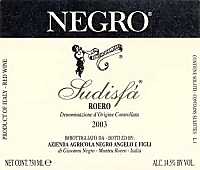
Roero Sudisfà 2003 |
|
| Negro (Piedmont, Italy) | |
| Grapes: Nebbiolo | |
| Price: € n.d. | Score: |
| Roero Sudisfà shows a brilliant ruby red color and nuances of garnet red, moderate transparency. The nose reveals intense, clean, pleasing, refined and elegant aromas which start with hints of cherry, raspberry and strawberry followed by aromas of plum, violet, vanilla, rose, tobacco, cinnamon, cocoa and menthol. The mouth has good correspondence to the nose, a tannic attack and pleasing crispness, however balanced by alcohol, full body, intense flavors. The finish is persistent with flavors of cherry, plum and raspberry. Roero Sudisfà ages for 24 months in barrique followed by about 5 months of aging in bottle. | |
| Food Match: Game, Roasted meat, Braised and stewed meat, Hard cheese | |
|
|
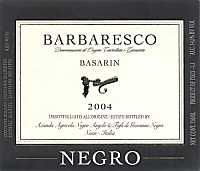
Barbaresco Basarin 2004 |
|
| Negro (Piedmont, Italy) | |
| Grapes: Nebbiolo | |
| Price: € n.d. | Score: |
| Barbaresco Basarin shows a brilliant ruby red color and nuances of garnet red, moderate transparency. The nose denotes intense, clean, pleasing, refined and elegant aromas which start with hints of cherry, plum and violet followed by aromas of cyclamen, raspberry, rose, blueberry, vanilla, tobacco, licorice, cocoa and menthol. The mouth has good correspondence to the nose, a tannic attack and pleasing crispness, however balanced by alcohol, full body, intense flavors. The finish is persistent with flavors of cherry, plum and blueberry. Barbaresco Basarin ages for 18 months in cask followed by 6 months of aging in bottle. | |
| Food Match: Game, Roasted meat, Stewed and braised meat, Hard cheese | |
AvignonesiQuality as the ultimate goal is the characteristic distinguishing this glorious winery, a result which is expressed in the magnificence of two extraordinary Vin Santo wines |
|
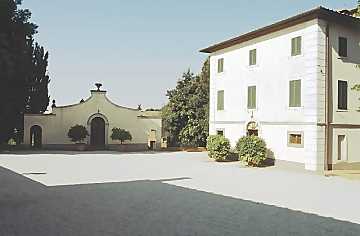
Being successful in achieving the right balance in respect of tradition, innovation, experimentation and quality, is not always easy. In particular when primary goal is quality, high quality, which therefore requires the revision of traditional concepts, by improving them with the support of modern concepts and the full respect for the nature of traditions themselves. However high quality is not a factor which originates by chance, it is the result of precise choices, the awareness this can be obtained only in case compromises are not accepted, a result requiring strictness and culture, in the awareness also time plays its essential role and that only determination in getting the best allows the understanding of this. These are the concepts and the atmosphere which can be breathed by visiting Fattoria Le Capezzine - the heart of the prestigious Avignonesi winery of Montepulciano - where each detail is scrupulously cared, from vineyard to bottle, without compromises and with the determination of getting the best possible quality.
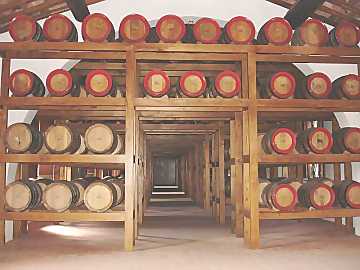
Avignonesi winery has very ancient origins and there are no reliable information on when it was established. It can be supposed Avignonesi is one of the most ancient wineries of Italy, as its existence is documented even before the second half of sixteenth century, period during which was built Avignonesi palace of Montepulciano by the famous architect Jacopo Barozzi, also known as “il Vignola”. Worldwide prestige and notoriety of this Tuscan winery is the result of Ettore and Alberto Falvo brothers who in 1974, already proprietors of the Tenuta La Selva, decided to acquire Avignonesi winery by completely restoring it. Since those times their goal for quality was very clear and therefore began to invest on viticulture. A good wine - as it is known - is created in the vineyard first and in then in cellar. In the course of time, in Avignonesi's vineyards were introduced and selected varieties of French origin, such as Chardonnay, Sauvignon Blanc, Cabernet Sauvignon, Merlot and Pinot Noir, as well as typical varieties of the area. Avignonesi is currently made of four productive units: Fattoria Le Capezzine, I Poggetti, Tenuta La Selva and La Lombarda, for a total of 225 hectares, of which 109 destined to the cultivation of vineyards and 3 to olive trees. The heart of Avignonesi winery is Fattoria Le Capezzine, which is located in Valiano - few kilometers from Montepulciano - in an estate of the 1800s. Here are found the vinification facilities, aging cellars, oil mill and the prestigious - as well as suggestive - vinsantaia, where hundreds of caratelli (small oak barrels) full of precious Vin Santo spend about ten years waiting the patient job of time to make them nectars of rare elegance. Vin Santo is in fact one of the most prestigious products of Avignonesi: not only an exclusive pride of this winery, but also a philosophy of life and a way to see wine, its culture and its tradition. And for Avignonesi Vin Santo is something to be made without compromises, by aiming to quality only and to keep the culture and tradition of this magnificent wine.
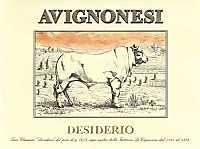
What represents Vin Santo for Avignonesi can be understood by listening to the genuine enthusiasm of Ettore Falvo when he talks about this magnificent wine produced in his winery. The same enthusiasm which can be perceived in the words of his daughter Elena when she tells the story of her family's Vin Santo, the heritage of caratelli - the small barrels in which Vin Santo is aged - passed by generations in generations. And for Avignonesi Vin Santo is something which is produced with genuine passion, something which can be understood in Ettore Falvo's words: «Vin Santo is not a way to increase profits or make money. It does not care how much time it is going to take, how much energy and money it is going to take. What really counts is quality only. The harder to reach, the higher the satisfaction and, usually, the better the result». For Avignonesi, a very important role is played by experimentation and the use of quality cultural techniques. It is the case of the vineyard cultivated with the “alberello” method and with vines planted in settonce pattern, in order to ensure a better development of roots and a better exposition to sun rays, as no plants is going to be covered by another, therefore ensuring a better ventilation. Also for experimental purposes, Avignonesi has created a special vineyard, called vigna tonda (round vineyard) because of the “radial” disposition of rows, in which is cultivated Prugnolo Gentile only - the main grape of Vino Nobile di Montepulciano - grafted to different rootstocks and with different densities. The purpose of this vineyard is to understand the influence both of density and rootstocks on the quality of grapes and, therefore, of wine. All this in order to improve Vino Nobile di Montepulciano, one of the most representative wines of Avignonesi - one of the many, to tell the truth - and which, in particularly favorable years, is produced in the excellent reserve style “Grandi Annate”, of which the last vintage was 1999 and the next one, of imminent release, will be 2003. Among the most representative products of Avignonesi are mentioned Cortona Chardonnay Il Marzocco, aged for 6 months in barrique, and Cortona Merlot Desiderio, aged for 12 months in barrique, in honor of “Desiderio”, a bull belonging to the “chianina” race which lived in Fattoria Le Capezzine in the second half of 1800s, depicted in the label of this excellent wine. And then the two Vin Santo wines, renowned and celebrated everywhere in the world for their indisputable quality. The first one of them is produced with Grechetto, Malvasia Toscana and Trebbiano Toscano, aged for ten years in the caratelli of vinsantaia and from the crushed skins is produced a grappa aged in barrique for at least three years. The second one is Vin Santo “Occhio di Pernice”, produced with Prugnolo Gentile grape, also in this case aged for ten years in caratelli: simply a monumental Vin Santo. The current production of Avignonesi is of about 700.000 bottles per year and wine production is led by the talented wine maker Paolo Trappolini. The job done by Avignonesi in the commercial and productive aspects has allowed the prestigious winery of Montepulciano to reach the highest appreciation all over the world: wine which does not only identify the Avignonesi style, but also the territory from which they are from. Avignonesi wines are mainly distributed in the United States of America, Italy, Germany and in more than 37 countries of the world, of which the main ones are Switzerland, Japan, Belgium and United Kingdom.
|
||||||||||||||||||||
|
Score legend Fair Pretty Good Good Very Good Excellent Wine that excels in its category Good value wine Prices are to be considered as indicative. Prices may vary according to the country or the shop where wines are bought |
|
|
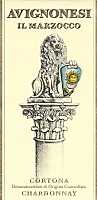
Cortona Chardonnay Il Marzocco 2004 |
|
| Avignonesi (Tuscany, Italy) | |
| Grapes: Chardonnay | |
| Price: € 17.50 | Score: |
| This Chardonnay shows a brilliant straw yellow color and nuances of greenish yellow, very transparent. The nose reveals intense, clean, pleasing and refined aromas that start with hints of banana, plum and apple followed by aromas of plum, vanilla, hazelnut, pineapple, hawthorn and beeswax. The mouth has good correspondence to the nose, a crisp attack and however balanced by alcohol, good body, intense flavors. The finish is persistent with flavors of banana, plum and hazelnut. Cortona Chardonnay Il Marzocco ages for 6 months in barrique followed by 12 months of aging in bottle. | |
| Food Match: Mushrooms and fish soups, Roasted fish, Stuffed pasta with fish and crustaceans, Roasted white meat | |
|
|
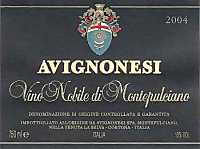
Vino Nobile di Montepulciano 2004 |
|
| Avignonesi (Tuscany, Italy) | |
| Grapes: Prugnolo Gentile (80%), Canaiolo Nero (15%), Mammolo (5%) | |
| Price: € 17.00 | Score: |
| This Vino Nobile di Montepulciano shows a brilliant ruby red color and nuances of garnet red, moderate transparency. The nose denotes intense, clean, pleasing and refined aromas that start with hints of black cherry, plum and violet followed by aromas of blueberry, blackberry, vanilla, tobacco, licorice and menthol. The mouth has good correspondence to the nose, a tannic attack and however balanced by alcohol, full body, intense flavors. The finish is persistent with flavors of black cherry, plum and blackberry. This wine ages for 18 months in cask followed by 12 months of aging in bottle. | |
| Food Match: Game, Roasted meat, Braised and stewed meat, Hard cheese | |
|
|
Cortona Merlot Desiderio 2004 |
|
| Avignonesi (Tuscany, Italy) | |
| Grapes: Merlot (85%), Cabernet Sauvignon (15%) | |
| Price: € 37.00 | Score: |
| Cortona Merlot Desiderio shows an intense ruby red color and nuances of garnet red, little transparency. The nose reveals intense, clean, pleasing, refined and elegant aromas that start with hints of black cherry, black currant and plum followed by aromas of blueberry, violet, vanilla, tobacco, licorice, sandal wood, cocoa, cinnamon and menthol. The mouth has good correspondence to the nose, a tannic attack and pleasing roundness, however balanced by alcohol, full body, intense flavors. The finish is persistent with flavors of black cherry, black currant and plum. A well made wine. Cortona Merlot Desiderio ages for 18 months in barrique followed by 12 months of aging in bottle. | |
| Food Match: Roasted meat, Game, Stewed and braised meat, Hard cheese | |

|
|
Vino Nobile di Montepulciano Riserva Grandi Annate 2003 |
|
| Avignonesi (Tuscany, Italy) | |
| Grapes: Prugnolo Gentile (85%), Cabernet Sauvignon (15%) | |
| Price: € 40.00 | Score: |
| This Vino Nobile di Montepulciano Riserva shows an intense ruby red color and nuances of garnet red, moderate transparency. The nose reveals intense, clean, pleasing, refined and elegant aromas that start with hints of blackberry, black cherry and plum followed by aromas of violet, raspberry, blueberry, cyclamen, vanilla, tobacco, bergamot, carob, licorice and pink pepper. The mouth has excellent correspondence to the nose, a tannic attack and however balanced by alcohol, full body, intense flavors, very agreeable. The finish is very persistent with long flavors of blackberry, raspberry and black cherry. A well made wine. Vino Nobile di Montepulciano Riserva Grandi Annate ages for 24 months in cask followed by 24 months of aging in bottle. | |
| Food Match: Game, Roasted meat, Braised and stewed meat, Hard cheese | |
|
|
Vin Santo di Montepulciano 1995 |
|
| Avignonesi (Tuscany, Italy) | |
| Grapes: Grechetto, Malvasia Toscana, Trebbiano Toscano | |
| Price: € 170.00 - 375ml | Score: |
| A wine of extraordinary magnificence. This Vin Santo di Montepulciano shows a pale mahogany color and nuances of amber yellow, little transparency. The nose reveals very intense, clean, pleasing, refined, elegant and virtually endless aromas of fig jam, raisin and honey followed by an impressive aromatic sequence of vanilla, date, tobacco, ginger, prune, almond, citrus fruit peel, nail polish, caramel, beeswax and coffee. The mouth has a perfect correspondence to the nose, a sweet and velvety attack, very smooth and thick, perfectly balanced by alcohol and a very pleasing crispness, full body, very intense flavors, of endless complexity and agreeability. The finish is very persistent, virtually endless, with very long and incredible flavors of fig jam, honey, prune, raisin and caramel. A wine of magnificent elegance, monumental. Vin Santo di Montepulciano is produced with grapes dried for 6 months and ages for 10 years in caratelli followed by 6 months of aging in bottle. | |
| Food Match: Meditation wine | |
|
|
Vin Santo di Montepulciano Occhio di Pernice 1995 |
|
| Avignonesi (Tuscany, Italy) | |
| Grapes: Prugnolo Gentile | |
| Price: € 200.00 - 375ml | Score: |
| A monumental wine, of extraordinary elegance and absolute magnificence. Vin Santo di Montepulciano Occhio di Pernice shows a deep mahogany color and nuances of mahogany, impenetrable to light. The nose reveals very intense aromas, clean, pleasing, refined, elegant, incredibly endless and an impressive opening of plum jam, fig jam and black cherry jam followed by an extraordinary and precise aromatic sequence of blackberry jam, vanilla, tobacco, coffee, cinnamon, cinchona, caramel, orange marmalade, licorice, chocolate, honey, nail polish and rhubarb. The mouth has perfect correspondence to the nose, a velvety and sweet attack, very smooth and think, perfectly balanced by alcohol and by a very pleasing crispness, full body, very intense flavors, extraordinarily agreeable and complex. The finish is very persistent, virtually endless, with very long and endless flavors of blackberry jam, black cherry jam, plum jam, fig jam and honey. A wine of rare and magnificent class and elegance, of monumental and absolute excellence. Vin Santo di Montepulciano Occhio di Pernice is produced with grapes dried for 6 months and ages for 10 years in caratelli followed by 6 months of aging in bottle. | |
| Food Match: Meditation wine | |
| Avignonesi - Fattoria Le Capezzine - Via Colonica, 1 - 53045 Valiano di Montepulciano, Siena (Italy) - Tel. +39 578 724304 Fax: +39 578 724308 - Winemaker: Paolo Trappolini - Established: 1974 - Production: 700.000 bottles - E-Mail: capezzine@avignonesi.it - WEB: www.avignonesi.it |
News |
|
In this section are published news and information about events concerning the world of wine and food. Whoever is interested in publishing this kind of information can send us a mail to our address.
|
Making Wine: Malolactic FermentationA not very considered and not understood process in the past, malolactic fermentation is an essential phenomena for the biological stability of red wines |
|
One of the main problems arising after the end of alcoholic fermentation is represented by the biological stability of wine. At the end of alcoholic fermentation - or primary fermentation - wine is pretty fragile and without proper preventive measures, the probabilities faults of different nature may develop are very high. The chances of aging and keeping a wine depend not only by some components naturally found in it - such as alcohol, sugar, acid and polyphenols - but also by the biological stability, obtained by removing noxious bacteria and substances, as well as by avoiding the exposition of the wine at adverse conditions. One of the processes improving biological stability of wine is represented by malolactic fermentation, also known as secondary fermentation. Despite this process is useful for the stability of wine, it should be noticed in some white wines malolactic fermentation is generally avoided.
The knowledge and study of malolactic fermentation is a pretty recent conquest, occurred in the course of 1900s. Since the 1600s, wine producers noticed a diminishing of acidity in “finished” wines, however they could not understand the cause. A significative step forward was done in 1800s, when they observed this diminishing of acidity corresponded to the disappearance of malic acid from wine, and only in the 1900s they will finally understand this diminishing was caused by specific bacteria having the capability of degrading malic acid into lactic acid and carbon dioxide. As during this phenomena is also developed carbon dioxide, it was defined as malolactic fermentation, that is considered as a fermentative process and bacteria responsible of this phenomena were defined lactic. Subsequent studies have proven malolactic fermentation is not a fermentative process: it is a process of enzymatic origin in which occurs the degradation of malic acid into lactic acid and this reaction has positive effects in some wines only.
|
||||||||
|
At the end of alcoholic fermentation - or soon before its natural end - the wine can look hazy, carbon dioxide is freed, it is observed a change in color and total acidity diminishes of about 0.5-1.6 grams per liter, up to about 4 grams per liter. These changes are the result of malolactic fermentation, a process which can take place soon after alcoholic fermentation - provided there are proper conditions - or in springtime, when the temperature raises. Temperature is in fact one of the factors determining the start of this process. Because of factors associated to stability, in general terms the start of malolactic fermentation is usually favored soon after the end of alcoholic fermentation, in order to both have a “finished” wine in a shorter time as well as to have a more stable wine according to a biological point of view. Before understanding how to favor the process of malolactic fermentation, let's understand what is this process and what are its effects on wine. As already said, defining this process as malolactic fermentation is improper, because it is not a fermentative phenomena, indeed it is a degradation of malic acid into lactic acid and carbon dioxide because of the action of lactic bacteria. These bacteria belong to many species, including Leuconostoc and Lactobacillus species. The action done by lactic bacteria, as well as the activation of their functionality, depends on many factors, in particular the pH of wine and temperature. When the right conditions take place, malolactic fermentation causes a biological deacidification of wine, with a decreasing of total acidity and the increasing of pH, usually from 0.1 to 0.2. According to an organoleptic point of view, wine will taste smoother - because of the presence of lactic acid, less aggressive than malic acid - and also aromas will be more complex and “ripe”. For these reasons, malolactic fermentation is considered indispensable for the quality of red wines, in which it is always favored. In case of white wines, malolactic fermentation will be done according to type and organoleptic qualities which are desired to keep or develop. As for dry white wines or rose wines, in which are generally kept both crispness of acidity and “young” aromas of fruit and flowers, it is recommended to avoid malolactic fermentation. In this type of wines, malolactic fermentation can be done - also partially - in case of excessive acidity, however part of aromatic freshness will be lost as well. Malolactic fermentation is sometimes done in some dry white wines destined to the aging in barrique, therefore making the wine “rounder” with “riper” and more complex aromas. Malolactic fermentation is however avoided in wines having a certain quantity of residual sugar because the activity of lactic bacteria could cause in the wine the development of lactic sourness - also called mannitic fermentation - caused by lactic bacteria which, by attacking sugar, transform it into acetic and lactic acid, with the development of a “sweet sour” taste in wine.
|
||||
|
There are many factors influencing the start of malolactic fermentation, including temperature, the main reason which impedes its development soon after alcoholic fermentation. In fact, after the end of alcoholic fermentation, in particular in cool climate areas, the seasonal lowering of temperature - followed by wintertime - impedes the start of malolactic fermentation which, in case there are proper conditions, will start in springtime, that is when the temperature will raise again. Temperature influences the speed of multiplication of lactic bacteria and the speed of the reaction. The optimal temperature for the start of malolactic fermentation is from 18 to 20° C (64-68° F). It is however indispensable the temperature is kept constant within this range and that does not however exceed 22° C (71° F), because this will develop volatile acidity. Over 30° C (86° F) its development will stop, whereas at temperatures lower than 15° C (59° F) its development will be very slow or it could stop as well. Sulfur dioxide, widely used in wine making, plays an important role in the activation of malolactic fermentation and its development. Lactic bacteria are more sensitive to sulfur dioxide than yeasts, therefore, when present in excessive quantities, malolactic fermentation can also not occur at all, also in case of the presence of the right conditions determined by other factors. It is believed a quantity of free sulfur dioxide greater than 10mg per liter impedes malolactic fermentation, whereas values lesser than 5mg per liter do not influence its development. Most of lactic bacteria are anaerobic, therefore their development and activity is favored in condition of absence of oxygen and in presence of carbon dioxide. For this reason, at the moment of the first racking, it is recommended to do this operation with no contact with the air and the container will be kept full in order to avoid the development of acetic bacteria and therefore the effects of sourness. Acidity of wine is another factor influencing the activation and development of malolactic fermentation. In case a wine has a pH value lower than 3.2 - therefore a very acid wine - the activation of malolactic fermentation will be very difficult and it is very likely it will not start at all. With pH values greater than 4.5 malolactic fermentation will have a very slow development. The optimal pH value is 4, however values of about 3.4 are considered to be favorable as well. In case a wine is too acid - therefore impeding malolactic fermentation - it will be necessary to diminish it, however it should be noticed this operation must be done after alcoholic fermentation. Deacidification of wine must be done by adding specific chemical products - in particular potassium bicarbonate - generally available in shop specialized in wine making. Despite this could sound superfluous, the activation and development of malolactic fermentation requires the presence of a sufficient population of lactic bacteria in wine. Lactic bacteria are naturally found in the bloom - the layer of waxy protective substance covering the skin of grape berries - therefore during the crushing of grapes they will be passed to the must. Some phases of the vinification, in particular during the operations about the adding of sulfur dioxide, could impede the activity of lactic bacteria, therefore making malolactic fermentation difficult. In these cases can be used two different methods, while making sure about the presence of all other factors favoring the development of malolactic fermentation. The first method consists in adding a wine in which malolactic fermentation is already active - therefore rich in lactic bacteria - whereas the second one consists in directly adding a culture of lactic bacteria, usually available in shops specialized in wine making.
|
|
Before checking the development of malolactic fermentation, it is necessary it will start its activity. However, in wines requiring the development of malolactic fermentation, it is recommended this process to be done soon after alcoholic fermentation, without waiting for springtime, therefore ensuring the wine a better biological stability. At the end of alcoholic fermentation and after having done the first racking, we will begin to make sure about the presence of the factors favoring the development of malolactic fermentation, in particular temperature. Dependently on seasonal conditions, temperature could also be lower than 18° C (64° F), therefore it will be necessary to heat the room used for the production of wine. Despite home wine making does not allow necessary controls, it is however recommended to make sure about the presence of other favorable factors, such as the quantity of sulfur dioxide and pH, this latter value measurable with a specific instrument, therefore not very easy to do in our specific case. In case the conditions for the activation of malolactic fermentation are present but the phenomena does not start, it is very likely in the wine is not present a sufficient population of lactic bacteria. As already said, in this case it will be necessary to add a part of wine in which malolactic fermentation is active, or to add a culture of lactic bacteria in order to favor the start of the process. Lactic bacteria are usually available in freeze-dried form in shops specialized in wine making. Before adding bacteria it is necessary to proceed with their reactivation as it is indispensable they are added to the wine when they are in full activity. Reactivation methods changes according to the type of bacteria used, therefore it is recommended to read the instructions provided by the producer. When malolactic fermentation has started its activity, in the surface of the wine will be noticed tiny bubbles: it is the carbon dioxide produced by the degradation of malic acid into lactic acid. There are cases in which malolactic fermentation must be avoided, such as in case of white or rose wines in which it is desired to keep the freshness of aromas and a good acidity. The most simple method is not to favor the above mentioned conditions, however some of them could be dangerous for the health of the wine and may be cause of faults. The most practical and simple method is to add a proper quantity of sulfur dioxide to the wine, in order to avoid the activity of lactic bacteria. Another method consists in keeping the wine at a temperature lower than 18° C (64° F), in order to impede the activity of lactic bacteria. The best method however consists in using both methods, by adding sulfur dioxide after the end of alcoholic fermentation - in this specific case it is generally recommended a quantity of 8-10 grams per one hundred liters - while keeping the wine at a temperature lower than 18° C (64° F), in order to avoid, besides the other things, the development of negative tastes, such as mercaptan and sulphurated hydrogen.
|
Globe ArtichokeThe beautiful nymph Cynara, with ash blond hair, for having rejected Jupiter, father of gods and humans, god of light, was transformed into a thorny plant: artichoke |
|
Globe artichoke, Cynara cardunculus, is a perennial herbaceous plant which can reach 1.5 meters in height, belonging to the family of asteraceae. The term artichoke derives from the Arab al-kharshûf, literally “thorny plant”. Artichoke is cultivated in all the Mediterranean area, in particular in Italy, Spain and France, whereas the main countries of the American continent are United States and Peru. Artichoke is a typical Mediterranean plant and its natural cycle is from autumn to spring, sharing the same origin with cardoon. There are many ways to classify artichokes: according to the presence and development of thorns are classified in thorny or defenseless. Thorny artichokes are the one having pointed leaves, whereas in the other species the end of leaves is round. Another distinction is made according to color: purple colored artichokes and green colored artichokes. Another classification is made according to the phenological cycle, by classifying “autumnal” and “spring” artichokes. Autumnal varieties undergo a forced reproductive cycle, whereas spring artichokes are suited for classic cultivation. There are other artichokes varieties, of which the most famous ones in Italy are spinoso Sardo, Catanese, verde di Palermo, Romanesco, violetto di Toscana and violetto di Provenza.
|
Globe artichokes our ancestors ate, are not the same as the ones usually used in modern cooking. At those times there was a wild variety, harder, smaller and more thorny. The small blue flowers of artichokes were used for curdling milk in the production of cheese. Artichoke probably comes from Ethiopia and arrives in Europe through Egypt. Artichoke is mentioned in Pliny the Elder's book Naturalis Historia, in which are praised its depurative and tonic properties, as well as aphrodisiac properties and - it seems - it was particularly effective against baldness. The properties of artichoke are also mentioned by Theophrastus in his History of Plants and by Hesiod in his book Works and days. In Decio Bruno Columella's De Re Rustica, it is read artichoke was cultivated both for nutritional purposes and as a medicinal plant. Globe artichoke certainly derives from cardoon and their common origins can be traced back to North Africa and Egypt. The plant was known by ancient Romans as Cynara, whereas ancient Greeks called it Kinara, who believed the plant had an aphrodisiac effect, probably because of the beauty of the nymph Cynara. According to mythology, the beautiful nymph with ash blond hair, for having rejected the powerful Jupiter was transformed into a thorny plant: the artichoke. Artichoke has always been associated, because of its shape, to grumpy and “ticklish” persons, however having a good heart. Modern Artichoke was unknown in the Middle Age. It is very likely, horticulturist at those times have continued or resumed the selection probably began by Etruscans, by selecting plants and trying to transform wild artichoke - or cardoon - into the “modern” artichoke. For centuries ignored by the mass, it will become common at the end of the Middle Age because of the massive import from Africa and, more precisely, from Ethiopia. According to some documents, artichoke seems to be arrived in Tuscany first and then in Veneto. In the sixteenth century becomes pretty common in Sicily, also favored by an ideal climate. In Sicily the artichoke becomes very common, as to be used in many dishes of the island, with the name capòzzula, derived from caput - “head” - that is the head of artichoke to be cut. Wild artichoke is sold boiled in the island's booths along streets and it is consumed during breaks, as a snack or as an excuse to have a nice glass of wine. Tradition has it was Caterina De' Medici, in occasion of the marriage with Henry II of France, to introduce the consumption of artichokes in cooking. It is said also Louis XIV of France, known as “sun king”, liked artichokes. It is known that in the second half of 1400s artichokes were introduced in Naples and Florence. According to Pietro Andrea Mattioli - a scholar from Siena, doctor, botanist, translator and commentator of ancient pharmacology books, one of the first natural scientists of Europe after the Middle Age - in the 1500s artichoke was already common in Tuscany. It was the Dutch to introduce artichokes in England, whereas Spaniards and the French introduced them in America, in the eighteenth century, more precisely in the territories of modern California and Louisiana, where today cardoons are considered as weed plants.
|
||||||||||||
|
Globe artichoke is a very interesting food, has a nice taste and few calories - 22 for 100 grams - characteristics making artichokes a very satiating food as well as versatile in cooking. Another very interesting characteristic, in particular in these times where particular attention is paid to “light” foods, with no fat or cholesterol, is its richness in soluble fiber, that is the kind of fiber useful for eliminating exceeding cholesterol. The high content in iron makes artichoke an ideal food for anyone suffering from anemia and diabetes. It is rich in cynarine, a substance favoring the secretion of bile and diuresis. Artichokes contain hepatoprotective substances: cynarine contained in artichoke seems to lower the level of cholesterol, however, in order to get a real benefit, it should be consumed a quantity of 100-300 grams a day and for a pretty long period of time. Positive effects of artichoke, such as the lowering of cholesterol, is sometime vanished by the cooking method: on this regard fatty and unctuous dishes, such as artichoke Jewish style, fried artichoke or kept in oil, are not recommended. From artichoke leaves is extracted a bitter substance used as a depurative or digestive. Artichokes are usually available all year long and, in case they cannot be found fresh, they can be bought frozen or canned, kept in oil. Artichokes kept in oil must be drained and carefully washed as they usually tend to keep a lot of oil and salt, therefore rich in fats and sodium. Before consumption, artichokes must be cleaned. First of all are removed all the leaves with thorns and all the external hard and bitter leaves, then it is cut the upper part. Also any internal hair must removed. The stalk must be cleaned from leaves as well as any external hard and bitter part. Cleaned this way, artichokes must be kept in water added to lemon juice until the moment of cooking, in order to avoid them to become brown. In case of fresh artichokes with stalk, they can be kept for some time in water, just like flowers. Small artichokes, harvested at the end of the season, can be used for the preparation of the tasty artichokes kept in oil. At the moment of purchase it is recommended to make sure about artichoke's freshness, by checking they are hard and compact, they must be heavy according to their weight, leaves must be closed, not wrinkled and with a bright dark green color. Artichokes must not show any stain or bruise. The stalk must be firm and stick and must not show any yellow color. In case in a long stalk are found leaves, make sure they are fresh. Another freshness factor to be checked after purchasing is the absence of internal hair. Despite it is always recommended to consume them as soon as possible, artichokes can be kept in the fridge, wrapped in paper, for a maximum of three days. In case it is wished to consume artichokes off season, it can be used frozen artichokes, as well as canned artichokes kept in oil. Most of the times, canned artichokes are prepared with second choice artichokes and kept in oil. Young artichokes, fresh and tender, are excellent to be consumed raw, seasoned with oil, thinly sliced and added to salads. Riper artichokes are preferably consumed cooked and are best for the preparation of pies and risotto. According to a nutritional point of view, one hundred grams of raw artichokes provide 22 kcal and contain: 91,30gr of water; 2,7gr of proteins; 2,5gr of carbohydrates; 0,2gr of fats; 0,5gr of starch; 1,9gr of soluble sugar; 5,5gr of fiber; 0gr of cholesterol colesterolo; 0,018mg of vitamin A; 0,06mg of vitamin B1; 12mg of vitamin C; 0,19mg of vitamin E; 86mg of calcium; 1mg of iron; 45mg of magnesium; 376mg of potassium; 133mg of sodium. Artichokes are not recommended to mothers who are breast feeding, as it impedes the production of milk and to anyone suffering from biliary stones or however in case of the occlusion of the biliary duct.
|
AquavitaeReview of Grappa, Distillates and Brandy |
|
|
| Distillates are rated according to DiWineTaste's evaluation method. Please see score legend in the "Wines of the Month" section. |
|
|
Grappa di Vino Nobile di Montepulciano 2000 |
|
| Avignonesi (Tuscany, Italy) | |
| (Distiller: Nannoni) | |
| Raw matter: Pomace of Prugnolo Gentile, Canaiolo Nero, Mammolo | |
| Price: € 19.00 - 50cl | Score: |
| This grappa is colorless, limpid and crystalline. The nose denotes intense, clean, pleasing and refined aromas of blackberry, raspberry, violet, plum, licorice and black cherry with almost imperceptible alcohol pungency. In the mouth has intense flavors with perceptible alcohol pungency that tends to dissolve rapidly, good correspondence to the nose, pretty dry, intense flavors. The finish is persistent with flavors of plum and black cherry. This grappa is distilled with steam operated discontinuous alembic still. Alcohol 42%. | |
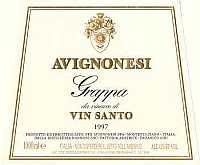
|
|
Grappa di Vin Santo 1997 |
|
| Avignonesi (Tuscany, Italy) | |
| (Distiller: Nannoni) | |
| Raw matter: Pomace of Grechetto, Malvasia Toscana, Trebbiano Toscano | |
| Price: € 48.60 - 1l | Score: |
| This grappa shows a brilliant amber yellow color, limpid and crystalline. The nose reveals intense, clean, pleasing and refined aromas of hazelnut, vanilla, honey, licorice, dried fig, chocolate and praline with almost imperceptible alcohol pungency. In the mouth has intense flavors with perceptible alcohol pungency which tends to dissolve rapidly, good correspondence to the nose, balanced sweetness, pleasing roundness, intense flavors. The finish is persistent with flavors of honey, licorice and dried fig. This grappa is distilled with steam operated discontinuous alembic still and ages in barrique for three years and for at least 2 years in bottle. Alcohol 42%. | |
|
|
Grappa di Chardonnay |
|
| Distilleria Zanin (Veneto, Italy) | |
| Raw matter: Pomace of Chardonnay | |
| Price: € 10.00 - 70cl | Score: |
| This grappa is colorless, limpid and crystalline. The nose reveals intense, clean, pleasing and refined aromas of pear, banana, hazelnut, apple and broom with almost imperceptible alcohol pungency. In the mouth has intense flavors with perceptible alcohol pungency which tends to dissolve rapidly, good correspondence to the nose, balanced sweetness, agreeable. The finish is persistent with flavors of pear, banana and hazelnut. This grappa is distilled with a discontinuous alembic still. Alcohol 40%. | |
|
|
Brandy Stravecchio Invecchiato 24 anni Gran Riserva Superiore Monte Sabotino |
|
| Distilleria Zanin (Veneto, Italy) | |
| Raw matter: Blend of wines | |
| Price: € 30.00 - 70cl | Score: |
| This brandy shows a deep amber yellow color, limpid and crystalline. The nose reveals intense, clean, pleasing, refined and elegant aromas of chocolate, tobacco, vanilla, praline, prune and honey with almost imperceptible alcohol pungency. In the mouth has intense flavors with perceptible alcohol pungency which tends to dissolve rapidly, excellent correspondence to the nose, balanced sweetness, pleasing smoothness, intense flavors. The finish is very persistent with flavors of chocolate, prune and honey. This brandy is distilled in copper alembic still and ages in oak casks. Alcohol 40%. | |
Wine Parade |
|
|
| The best 15 wines according to DiWineTaste's readers. To express your best three wines send us an E-mail or fill in the form available at our WEB site. |
| Rank | Wine, Producer | |
|---|---|---|
| 1 |

| Nero al Tondo 2001, Ruffino (Italy) |
| 2 |

| Don Antonio 2003, Morgante (Italy) |
| 3 |
| Sagrantino di Montefalco Collepiano 2003, Arnaldo Caprai (Italy) |
| 4 |

| Chianti Classico Riserva Novecento 2000, Dievole (Italy) |
| 5 |
| Amarone della Valpolicella Classico Costasera 2001, Masi (Italy) |
| 6 |
| Wine Obsession 2001, Vignamaggio (Italy) |
| 7 |
| Soave Classico Monte Alto 2004, Ca' Rugate (Italy) |
| 8 |
| Amarone della Valpolicella Classico 2000, Zenato (Italy) |
| 9 |
| Sforzato di Valtellina Canua 2001, Conti Sertoli Salis (Italy) |
| 10 |
| Barolo Cannubi Boschis 2001, Sandrone (Italy) |
| 11 |
| Brunello di Montalcino 1999, Castello Banfi (Italy) |
| 12 |
| Sagrantino di Montefalco 2003, Antonelli (Italy) |
| 13 |
| Barolo Bussia 2001, Prunotto (Italy) |
| 14 |

| Mater Matuta 2003, Casale del Giglio (Italy) |
| 15 |
| Collio Bianco Col Disôre 2004, Russiz Superiore (Italy) |
up down stable new entry
| |||||||
Privacy Policy | |||||||

| Copyright © 2002-2024 Antonello Biancalana, DiWineTaste - All rights reserved |
| All rights reserved under international copyright conventions. No part of this publication and of this WEB site may be
reproduced or utilized in any form or by any means, electronic or mechanical, without permission in writing from DiWineTaste. |


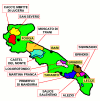
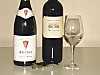
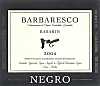
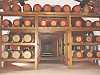
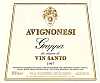
 Share this article