
Wine Culture and Information since 2002 - Volume 25
Wine Culture and Information since 2002 - Volume 25 |
 |
× |
 DiWineTaste on Instagram
 DiWineTaste Mobile for Android
DiWineTaste Mobile for iOS
Become a Registered User
Subscribe to the Mailing List
Tell a Friend About DiWineTaste
Download DiWineTaste Card
|
Issue 266, November 2026 |
Contents |
|
|
2026 Harvest: New Assessments |
|
I return to the subject of the 2026 harvest, partly because this year was, to an unusual degree, far from simple from an agronomic and viticultural standpoint, and partly because the final figures are now clear, providing a comprehensive and definitive picture. Furthermore, the data offer interesting points for reflection, not only regarding 2026 but also for future vintages. The first observation concerns the perennial competition – a contest that has become increasingly unexciting, if it ever was compelling to begin with and certainly not for me – over which wine-producing nations claim the top spot in terms of total volume. Despite a challenging year marked by extreme weather conditions – including soaring temperatures and critically low water availability in the vineyards – Italy has once again secured the highest step on the podium for 2026. While this outcome might spark joy and jubilation for some, for others – maybe – it may not necessarily be such good news. Recent estimates indicate that Italy has produced 41.1 million hectoliters of wine, a decline of 7.4% compared to 2025, something which was widely anticipated. We are a long way from the days when the production of Italy was significantly higher, yet the country remains a key player in the ongoing rivalry with France and Spain, its two main competitors for the prestigious title of top wine producer. It is worth noting that while France and Spain have, for some years now, significantly curtailed their production, Italy continues to outperform both, maintaining a substantial lead. For comparison, wine production estimates for 2026 stand at 33.9- -34.9 million hectoliters for France and 34- -37.6 million for Spain. While exceptional weather conditions have clearly contributed to this decline in all three nations, the trend has been consistent over the last three years. For instance, France produced 46 million hectoliters in 2022 and 48 million in 2023, compared to just 36.1 million in 2024. It is worth recalling that, in recent years, France has seen a series of events and measures specifically aimed at reducing annual wine production. These painful steps – indeed, extremely painful – have included the uprooting of vineyards, in some cases quite drastically. This French strategy seeks to align wine production with current trends and, above all, with recent sales figures, particularly for red wines, which have been hit hardest by the decline in demand, including within the domestic market. Furthermore, this move is explicitly attributed to ongoing climate and market shifts, for which France sees no improvement in the near future. The primary victims have been vineyards destined to mass-market wines, a segment that nonetheless represents a vital component of the annual balance sheet. However, this is a “calculated” sacrifice, intended in part to enhance the quality of the remaining vineyards and thereby foster growth in niche markets. As a result of this strategy, Spain overtook France in 2026, becoming the second-largest European producer in terms of volume. What about Italy? While other wine-producing countries around the world are grappling with new climatic and global market challenges – in some cases significantly reducing their production – Italy has proven to be the country most reluctant to these shifts over the last 20 years. This is a decidedly critical situation, especially when it is considered – nevertheless – the current and substantial volume of wine sitting in Italian wineries, now compounded by the 2026 harvest. The latest “Cantina Italia” report, released on September 30th, indicates a 14% increase compared to the previous survey, with PDO (Protected Designation of Origin) wines accounting for the bulk of this figure. Naturally, this rise is partly due to the 2026 harvest, which took place unusually early and has inevitably had a significant impact on the data. In any case, the report notes that as of September 30, 2026, there were 41.2 million hectoliters of wine in storage in Italian wineries, an increase of 14.2% compared to the figures recorded during the same period in 2025. As is to be expected during the grape harvest season, the volumes for musts have risen-up 50.5% equal to 12.8 million hectoliters, along with those for new wines still undergoing fermentation, which have increased by 92.8%, equal to 8.8 million hectoliters. A heartening figure – though perhaps not one viewed as such by everyone – is the projected decrease in wine volume for 2026, which, as previously mentioned, shows a 7.4% decline compared to 2025. Regarding wine stocks, PDO (Protected Designation of Origin) wines account for the largest share, 56.8%, or 23.3 million hectoliters, representing a 12.8% increase over 2025. This growth amounts to 2.5 million hectoliters, consisting of 10.4 million hectoliters of white wine (+23.7%), 12.1 million of red (+5.4%), and 0.7 million of rosé (+3%). The share of IGP (Protected Geographical Indication) wines is more modest, showing a 15.6% increase to 10.3 million hectoliters, comprising 5.8 million hectoliters of red and 4 million of white. Another significant increase is seen in table wines, which have risen by 16.6% equal to 6.6 million hectoliters. If there is one thing that is declining, aside from the harvest projections for 2026, it is the average price of Italian wines, partly as a result of inflation. This is unwelcome news, especially for producers, who now face this challenge on top of existing difficulties in the export market. This assessment comes from the Unione Italiana Vini (UIV, Italian Wine Union), which notes a widespread drop in the retail value of wine and warns of a potential systemic crisis. Provisional inflation data released by ISTAT (the National Institute of Statistics) show a 0.7% increase in consumer prices compared to the previous month, and a 4.2% rise relative to September 2025. This is largely driven by higher energy and raw material costs within the food sector. Such increases, however, are not being seen in the wine category, which has been experiencing a steady decline in value for months. Preliminary estimates indicate a 0.3% drop compared to August 2026, and a 2.3% decrease relative to September 2025. A significant factor is clearly the widespread decline in consumption, a trend that has remained in negative territory for several years, driven by more than just market-related reasons. Grape prices also appear to be falling: initial estimates suggest a further decrease compared to the 2025 average. While awaiting confirmation, this represents yet another critical challenge for the wine supply chain, particularly for winegrowers who sell the grapes from their own vineyards. Lower revenues, combined with cultivation costs that weigh heavily on margins, inevitably result in reduced profits. In short, viticulture is becoming increasingly less profitable for those who grow the grapes. It is truly difficult to make predictions about the future of wine. Given the broad decline in consumption, a market that has yet to show any truly encouraging signs, and existing winery stocks that only complicate matters further, everything points to 2027 being much like 2026. Of course, it is true that sometimes it takes very little to turn a difficult situation around: never say never. Nevertheless, the horizon currently remains rather bleak; while we wait for it to clear, we look forward with confidence to the emotions that the 2026 harvest will bring. And all this, despite the many detractors of wine who, it seems, are quite a lot in these days. Raise your glasses! Antonello Biancalana
|
||||
Contrasts of Friuli Colli Orientali Schioppettino and Biferno RossoOne of the most interesting red grape varieties from Friuli-Venezia Giulia, compared with the most famous red wine from Molise. |
|
Friuli-Venezia Giulia is, without a shadow of a doubt, one of Italy's wine-producing regions capable of expressing a vast and varied enological richness, a quality it has successfully proven for a very long time. Although primarily associated with white wines, the vineyards of Friuli-Venezia Giulia are, in reality, also rich in red, or, more precisely, deep crimson hues, thanks to the significant presence of red grape varieties. The region's production is not limited to just whites and reds; its production of sparkling wines and sweet wines made from dried grapes is also of undeniable importance. The viticultural landscape encompasses both indigenous and international varieties, all of which lend themselves to truly remarkable enological expressions. Among these, Schioppettino stands out as an indigenous variety of Friuli-Venezia Giulia, distinguished by its distinct character and personality, it is the variety we explore in the tasting by contrast of this month. To stand alongside the Schioppettino from Friuli-Venezia Giulia, into the second glass of the tasting we pour a red wine from Molise, specifically, the most celebrated red of the region. The viticultural landscape of Molise differs significantly from that of Friuli-Venezia Giulia. Winemaking in Molise focuses primarily on “national” grape varieties, alongside the local star, Tintilia, an indigenous variety of great enological interest. International grape varieties are quite rare in this region; consequently, most wines, both white and red, are made from varieties typical of Central and Southern Italy. This is, in fact, how it is made Biferno Rosso, an interesting blend of Montepulciano and Aglianico grapes, a unique case within the Italian wine denominations. The result is a wine with a distinct personality and character, a worthy representative of the winemaking tradition of Molise, and, not by chance, the first wine from the region to cross its borders and gain recognition among enthusiasts.
|
|
Schioppettino is a truly special grape variety. Long overlooked outside of Friuli-Venezia Giulia, it has gradually earned a prominent place in the region's winemaking tradition. It is a variety with a long history and a long-standing reputation, it was even served at the tables of the local nobility as far back as the Middle Ages. Native to the area around Udine, Schioppettino is now one of the flagship varieties of the Friuli Colli Orientali Denominazione d'Origine Controllata (Denomination of Controlled Origin, DOC) region, where it has rightfully secured a position of distinction. The name “Schioppettino” likely derives from the fact that its “crisp” berries, when crushed, burst with a characteristic popping sound. The variety is also found in neighboring Slovenia, where it is known as Pokalca, Pokalza, or Poçalza, particularly in the Primorska coastal region. Another theory regarding the origin of the name relates to the perceived “exuberance” of its wines: as spring arrives and temperatures rise, the wines, once bottled, may undergo malolactic fermentation, causing the internal pressure to build until the cork “explodes” out of the bottle. Schioppettino is primarily found within the Friuli Colli Orientali denomination in the province of Udine, as well as in the neighboring Friuli Isonzo denomination in the province of Gorizia. Notably, the Friuli Colli Orientali denomination includes a sub-zone specifically dedicated to Schioppettino in the hills around the municipality of Prepotto, an area considered the grape's place of origin, where the variety expresses itself with particular finesse and distinct character. Wines made from Schioppettino – also locally known as Ribolla Nera – are recognizable by their exuberant notes of red and black-fleshed fruits, alongside a characteristic black pepper aroma that develops over time. While Schioppettino generally yields direct and immediate wines, many producers also age them in wood – using both large casks and barriques – to create wines of significant depth, demonstrating the variety's excellent enological versatility and compelling sensorial complexity.
|
||||
|
From an enological perspective, Molise is undoubtedly one of Italy's hidden gems. Wine has a long and significant history in this land, a fact known as far back as the time of the ancient Greeks and even noted – with high praise – by Pliny the Elder. Today, the scene of winemaking in Molise is primarily defined and recognized for its wines made from Tintilia, an indigenous grape variety that has – especially in recent years – received a major boost and significant attention from the region's producers. In previous decades, Molise also gained widespread appreciation among wine enthusiasts for one of its red wines, which hails from what is arguably the region's most recognizable Denominazione d'Origine Controllata (DOC): Biferno. While this important denomination also provides for white and rosé wines, it is the red that remains the primary hallmark of the denomination to this day. It is a truly unique case, as the wine is made from a blend of Montepulciano and Aglianico, varieties that are, in many other contexts, typically vinified on their own. The Denominazione d'Origine Controllata Biferno takes its name from the river of the same name, which flows through the province of Campobasso. It was the first denomination to be recognized in the Molise region, followed shortly thereafter by Pentro d'Isernia DOC, and for many years, these were the only two denominations in the region. Biferno Rosso is a wine with a distinct personality and character. It is produced using Montepulciano and Aglianico, red grape varieties of primary importance within the Italian wine landscape, which lend this wine a highly recognizable profile. In this regard, it should be noted that the production disciplinary for Biferno Rosso provides for the use of 70-80% Montepulciano and 10-20% Aglianico, with the remainder potentially consisting of other red grape varieties permitted in the Molise region. Furthermore, most producers use exclusively Montepulciano and Aglianico in the proportions established by the disciplinary, opting not to include any other grape varieties. Finally, the red wine may also be produced in Superiore and Riserva styles.
|
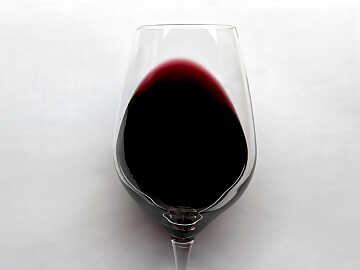
Before beginning the tasting by contrast of this month, we must source the two bottles to be poured into our glasses. These are rather distinctive wines, the Biferno Rosso, in particular, is not always easy to find in mainstream retail outlets, although – as usual – a well-stocked wine shop will certainly be able to help us in our search. It should also be noted that most producers of these wines opt for cask aging; therefore, for both Friuli Colli Orientali Schioppettino and Biferno Rosso, we will ensure that they have been aged in large casks, therefore avoiding, if possible, those aged in barrique. Regarding the composition of the wines, we will ensure that the Friulian wine is made exclusively from the Schioppettino grape – the production disciplinary allow in fact for up to 15% of other varieties – while the Biferno Rosso must be made from Montepulciano and Aglianico only. As for the vintage, we will select bottles from the most recent harvest available. The wines will be poured into their respective tasting glasses at a temperature of 18 °C. (65 °F) We can begin our comparative tasting of Friuli Colli Orientali Schioppettino and Biferno Rosso by examining their appearance, specifically, how they present themselves to the eye in terms of color and transparency. We start with the wine from Friuli: by tilting the glass over a white surface, we can assess its color. Looking at the base of the glass, Friuli Colli Orientali Schioppettino displays an intense, brilliant ruby-red hue with limited transparency. Shifting our focus toward the rim of the glass, where the thickness of wine is thinnest, we can observe its nuance, which manifests as a ruby-red color leaning toward garnet. We then turn to Biferno Rosso; again, we tilt the glass over a white surface to evaluate its color. Here, too, we see an intense, brilliant ruby-red hue with limited transparency. Observing the wine at the rim of the glass, we can discern a ruby-red nuance that tends toward garnet. The olfactory profiles of Friuli Colli Orientali Schioppettino and Biferno Rosso differ substantially. This is partly due to the production methods employed for each wine: the former is a single-varietal wine, while the latter is a blend of two grape varieties. In the first wine, the olfactory profile is defined solely by the Schioppettino grape; in the second, the dominance of Montepulciano is modulated by the influence of Aglianico, which, according to the production regulations, may account for between 10% and 20% of the blend. Furthermore, in the specific case of these wines, we must also consider the contribution of oak aging to both their olfactory and gustatory profiles. Friuli Colli Orientali Schioppettino is primarily characterized on the nose by aromas of red-fleshed fruits, such as cherry and raspberry, as well as blueberry and plum. Biferno Rosso, by contrast, predominantly expresses aromas associated with dark-fleshed fruits, such as black cherry, blueberry, and blackberry, along with plum. Let's resume our tasting by evaluating the olfactory profiles of Friuli Colli Orientali Schioppettino and Biferno Rosso. As in the previous stage, we begin with the wine from Friuli; by keeping the glass in vertical position and without swirling, we assess its initial bouquet. Upon the first sniff, the Schioppettino reveals itself through intense aromas of cherry, raspberry, and plum, underscored by the floral scent of violets. We then swirl the glass – an action encouraging the release of further aromatic sensations – and take a second sniff. Notes of fruit, specifically blueberry and blackberry, emerge, occasionally accompanied by hints of rose and the characteristic aroma of black pepper. Next, we evaluate the initial bouquet of Biferno Rosso; by keeping the glass in vertical position, we take our first sniff. Aromas of black cherry, plum, and blueberry become apparent, along with the unmistakable scent of violets. After swirling the glass, the profile of this wine from Molise is further enriched by notes of blackberry, often accompanied by hints of carnation and cyclamen. In both wines can be discerned the influence of oak aging, most notably through the characteristic presence of vanilla notes. We now move on to evaluating the gustatory profiles of the wines in our tasting by contrast. As in the previous stage, the first wine we examine is Friuli Colli Orientali Schioppettino. We take an initial sip to assess its attack, that is the immediate, defining sensations perceived on the palate. This Friulian wine is notable for its well-balanced astringency, supported by a pleasing crispness that is promptly balanced by the effect of the alcohol. Notes of cherry, raspberry, and plum emerge, alongside a solid sense of structure, not overwhelming, but possessing a distinct, immediate character and a strong personality. The attack of Biferno Rosso also features a well-balanced astringency, balanced by the alcohol; however, compared to the Friulian wine, it has a less pronounced crispness and a greater degree of roundness. On the palate, can be detected flavors of black cherry, plum, blueberry, and blackberry. We have reached the final stage of the tasting by contrast of this month, therefore we will evaluate the final sensations that each wine leaves on the palate after swallowing. The primary quality assessed in this phase is the taste-olfactory persistence, that is, the duration for which the organoleptic sensations remain perceptible in the mouth. The finish of the Friuli Colli Orientali Schioppettino is persistent, leaving in the mouth notes of cherry, raspberry, blueberry, and plum for several seconds, often accompanied by a pleasing, subtle bitterness characteristic of wines made from the Schioppettino grape. The finish of the Biferno Rosso is also persistent, with distinct flavors of black cherry, plum, blueberry, and blackberry, alongside a greater sensation of roundness compared to the Friuli Colli Orientali Schioppettino. Before concluding the tasting of this month, we will perform one final olfactory examination of the glasses, first the Friuli Colli Orientali Schioppettino, then the Biferno Rosso. Evaluate, for both wines, the influence of oak aging on their respective aromatic profiles.
|
||||||||
Wines of the Month |
|
|
Score legend Fair Pretty Good Good Very Good Excellent  Wine that excels in its category  Good value wine Prices are to be considered as indicative. Prices may vary according to the country or the shop where wines are bought |
|
|
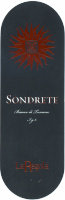
Sondrete 2010 |
|
| La Regola (Tuscany, Italy) | |
 Trebbiano Toscano, Malvasia Bianca, Colombana | |
| Price: € 42.00 - 375 ml | Score: |
 Brilliant mahogany and nuances of mahogany, little transparency.  Intense, clean, pleasing, refined and elegant, starts with hints of
raisin, dried fig and caramel followed by aromas of tamarind, date, clove,
citrus fruit peel, candied fruits, bergamot, cinchona, rhubarb, licorice,
leather, almond, hazelnut, coffee, mace, ginger, vanilla and nail polish.  Sweet and round attack, however balanced by crispness, full body,
intense flavors, agreeable.  Very persistent finish with long flavors of raisin, dried fig and
clove.  At least 10 years in caratelli barrels, at least 12 months in bottle. |
|
 Chocolate, Chocolate tarts, Piquant cheese |
|
|
|
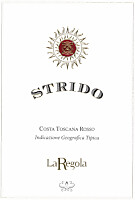
Strido 2021 |
|
| La Regola (Tuscany, Italy) | |
| Merlot | |
| Price: € 110.00 | Score: |
| Intense ruby red and nuances of garnet red, little transparency.Intense, clean, pleasing, refined and elegant, starts with hints of
black currant, black cherry and violet followed by aromas of iris, peony,
plum, blueberry, cocoa, tobacco, licorice, face powder, cinnamon, cigar
box, pink pepper, leather, mace, vanilla and eucalyptus.
Properly tannic attack and however balanced by alcohol, full body,
intense flavors, pleasing roundness.
Very persistent finish with long flavors of black currant, black cherry
and plum.
At least 18 months in barrique, at least 12 months in bottle. |
|
| Game, Roasted meat, Stewed meat, Hard cheese |
|
|
|
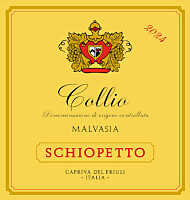
Collio Malvasia 2024 |
|
| Schiopetto (Friuli-Venezia Giulia, Italy) | |
| Malvasia Istriana | |
| Price: € 32.00 | Score: |
| Brilliant straw yellow and nuances of straw yellow, very transparent.Intense, clean, pleasing, refined and elegant, starts with hints of
apple, pear and plum followed by aromas of hawthorn, chamomile, broom,
citron, pineapple, peach, honey, linden and almond.
Crisp attack and however balanced by alcohol, good body, intense
flavors, agreeable.
Persistent finish with flavors of apple, pear and citron.8 months in steel tanks, at least 5 months in bottle. |
|
| Fish and crustacean appetizers, Pasta with fish and crustaceans, Sauteed fish, Sauteed white meat |
|
|
|
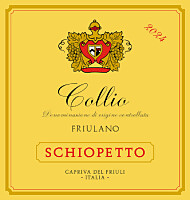
Collio Friulano 2024 |
|
| Schiopetto (Friuli-Venezia Giulia, Italy) | |
| Friulano | |
| Price: € 32.00 | Score: |
| Brilliant straw yellow and nuances of straw yellow, very transparent.Intense, clean, pleasing, refined and elegant, starts with hints of
apple, plum and hawthorn followed by aromas of broom, pear, medlar,
grapefruit, peach, pineapple, ginger, thyme, almond and mineral.
Crisp attack and however balanced by alcohol, good body, intense
flavors, agreeable.
Persistent finish with flavors of apple, plum and almond.8 months in steel tanks, at least 5 months in bottle. |
|
| Pasta and risotto with fish, Stewed fish, Sauteed white meat, Vegetable flans, Dairy products |
|

|
|
Alto Adige Cabernet Riserva Mumelter 2022 |
|
| Cantina Produttori Bolzano (Alto Adige, Italy) | |
| Cabernet Sauvignon (90%), Cabernet Franc (10%) | |
| Price: € 38.00 | Score: |
| Deep ruby red and nuances of garnet red, little transparency.Intense, clean, pleasing, refined and elegant, starts with hints of
black currant, black cherry and plum followed by aromas of violet, iris,
peony, blueberry, blackberry, cocoa, tobacco, licorice, cigar box, face
powder, leather, bell pepper, mace, vanilla and eucalyptus.
Properly tannic attack and however balanced by alcohol, full body,
intense flavors, agreeable.
Very persistent finish with long flavors of black currant, black cherry
and plum.
About 12 months in barrique and cask. |
|
| Game, Roasted meat, Braised and stewed meat, Hard cheese |
|
|
|
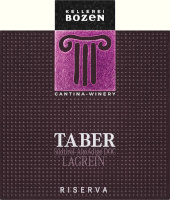
Alto Adige Lagrein Riserva Taber 2022 |
|
| Cantina Produttori Bolzano (Alto Adige, Italy) | |
| Lagrein | |
| Price: € 48.00 | Score: |
| Deep ruby red and nuances of ruby red, little transparency.Intense, clean, pleasing, refined and elegant, starts with hints of
blackberry, black cherry and plum followed by aromas of violet, rose,
blueberry, raspberry, chocolate, tobacco, cinnamon, licorice, leather,
mace, vanilla and menthol.
Properly tannic attack and however balanced by alcohol, full body,
intense flavors, agreeable.
Very persistent finish with long flavors of blackberry, black cherry
and plum.
About one year in barrique and cask. |
|
| Game, Roasted meat, Braised and stewed meat, Hard cheese |
|

|
|
Trento Brut Rosé Morus 2022 |
|
| Cantina Mori Colli Zugna (Trentino, Italy) | |
| Pinot Nero | |
| Price: € 22.90 | Score: |
| Pale cherry pink and nuances of cherry pink, transparent, fine and
persistent perlage.
Intense, clean, pleasing, refined and elegant, starts with hints of
cherry, raspberry and tangerine followed by aromas of dog rose, cyclamen,
bread crust, strawberry, arbutus berry, kiwi, pink grapefruit, apple, plum,
hazelnut and mineral.
Effervescent and crisp attack, however balanced by alcohol, good body,
intense flavors, agreeable.
Persistent finish with flavors of raspberry, cherry and tangerine.Refermented in bottle and aged on its lees for at least 36 months. |
|
| Pasta with fish, Sauteed white meat, Stewed fish with mushrooms, Vegetable flans, Dairy products |
|
|
|
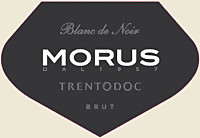
Trento Brut Blanc de Noirs Morus 2021 |
|
| Cantina Mori Colli Zugna (Trentino, Italy) | |
| Pinot Nero | |
| Price: € 23.90 | Score: |
| Intense straw yellow and nuances of golden yellow, very transparent,
fine and persistent perlage.
Intense, clean, pleasing, refined and elegant, starts with hints of
apple, grapefruit and bread crust followed by aromas of hawthorn,
raspberry, pear, plum, tangerine, peach, hazelnut, croissant, butter,
marzipan, praline and mineral.
Effervescent and crisp attack, however balanced by alcohol, good body,
intense flavors, agreeable.
Persistent finish with flavors of apple, grapefruit and raspberry.Refermented in bottle and aged on its lees for at least 36 months. |
|
| Pasta and risotto with fish, Broiled crustaceans, Sauteed fish, Sauteed white meat, Fried fish, Dairy products |
|

|
|
Alto Adige Gewürztraminer Nussbaumer 2024 |
|
| Cantina Tramin (Alto Adige, Italy) | |
| Gewürztraminer | |
| Price: € 29.00 | Score: |
| Brilliant golden yellow and nuances of golden yellow, very transparent.Intense, clean, pleasing, refined and elegant, starts with hints of
grape, lychee and white rose followed by aromas of acacia, carnation,
broom, apricot, passion fruit, mango, banana, peach, melon, apple, pear,
nutmeg, saffron, ginger and sage.
Crisp attack and however balanced by alcohol, good body, intense
flavors, pleasing roundness.
Very persistent finish with long flavors of grape, lychee and apricot.At least 11 months in steel tanks, at least 3 months in bottle. |
|
| Stuffed pasta with fish and mushrooms, Roasted fish, Roasted white meat, Broiled crustaceans, Hard cheese |
|
|
|
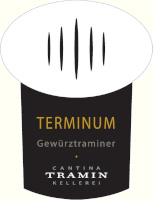
Alto Adige Gewürztraminer Terminum 2023 |
|
| Cantina Tramin (Alto Adige, Italy) | |
| Gewürztraminer | |
| Price: € 47.30 - 375 ml | Score: |
| Brilliant amber yellow and nuances of amber yellow, transparent.Intense, clean, pleasing, refined and elegant, starts with hints of
grape, apricot and white rose followed by aromas of carnation, lychee,
dried fig, peach, date, apple, pear, mango, citrus fruit peel, pineapple,
candied fruits, lavender, ginger, saffron and honey.
Sweet and round attack, however balanced by crispness, good body,
intense flavors, agreeable.
Very persistent finish with long flavors of grape, apricot and lychee.12 months in barrique, 9 months in steel tanks. |
|
| Jam and dried fruit tarts, Hard and piquant cheese |
|
|
|
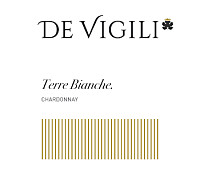
Trentino Chardonnay Riserva Terre Bianche 2024 |
|
| De Vigili (Trentino, Italy) | |
| Chardonnay | |
| Price: € 20.00 | Score: |
| Brilliant straw yellow and nuances of golden yellow, very transparent.Intense, clean, pleasing, refined and elegant, starts with hints of
apple, banana and citron followed by aromas of acacia, papaya, peach, pear,
grapefruit, plum, praline, mineral and vanilla.
Crisp attack anche however balanced by alcohol, good body, intense
flavors, pleasing roundness.
Persistent finish with flavors of apple, banana and citron.Fermented in barrique, 12 months in barrique. |
|
| Stuffed pasta with fish, Roasted fish, Stewed fish with mushrooms, Roasted white meat, Legume soups |
|

|
|
Teroldego Rotaliano Superiore Riserva Ottavio 2021 |
|
| De Vigili (Trentino, Italy) | |
| Teroldego | |
| Price: € 35.00 | Score: |
| Intense ruby red and nuances of ruby red, little transparency.Intense, clean, pleasing, refined and elegant, starts with hints of
black cherry, plum and blackberry followed by aromas of violet, carnation,
blueberry, carob, cocoa, tobacco, licorice, cinnamon, mace, leather,
graphite, vanilla and menthol.
Properly tannic attack and however balanced by alcohol, full body,
intense flavors, agreeable.
Very persistent finish with long flavors of black cherry, plum and
blackberry.
15 months in barrique, 12 months in bottle. |
|
| Game, Roasted meat, Stewed meat with mushrooms, Cheese |
|
News |
|
In this section are published news and information about events concerning the world of wine and food. Whoever is interested in publishing this kind of information can send us a mail to our address.
|
AquavitaeReview of Grappa, Distillates and Brandy |
|
|
||||||||||||
Wine Guide ParadeSummer 2026
|
| |||||||
Privacy Policy | |||||||

| Copyright © 2002-2026 Antonello Biancalana, DiWineTaste - All rights reserved |
| All rights reserved under international copyright conventions. No part of this publication and of this WEB site may be
reproduced or utilized in any form or by any means, electronic or mechanical, without permission in writing from DiWineTaste. |
| ♦ DiWineTaste is typeset with LATEX2ε since 2002 ♦ |



 Share this article



 Distilled in steam operated batch alembic. Aged in cask for 12 months.